Description
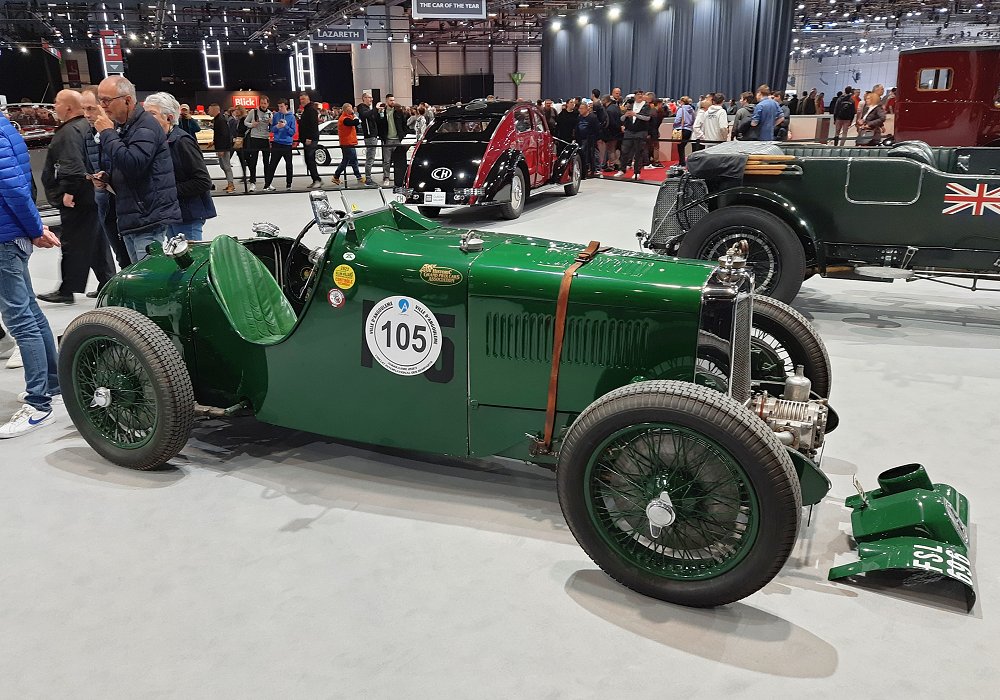
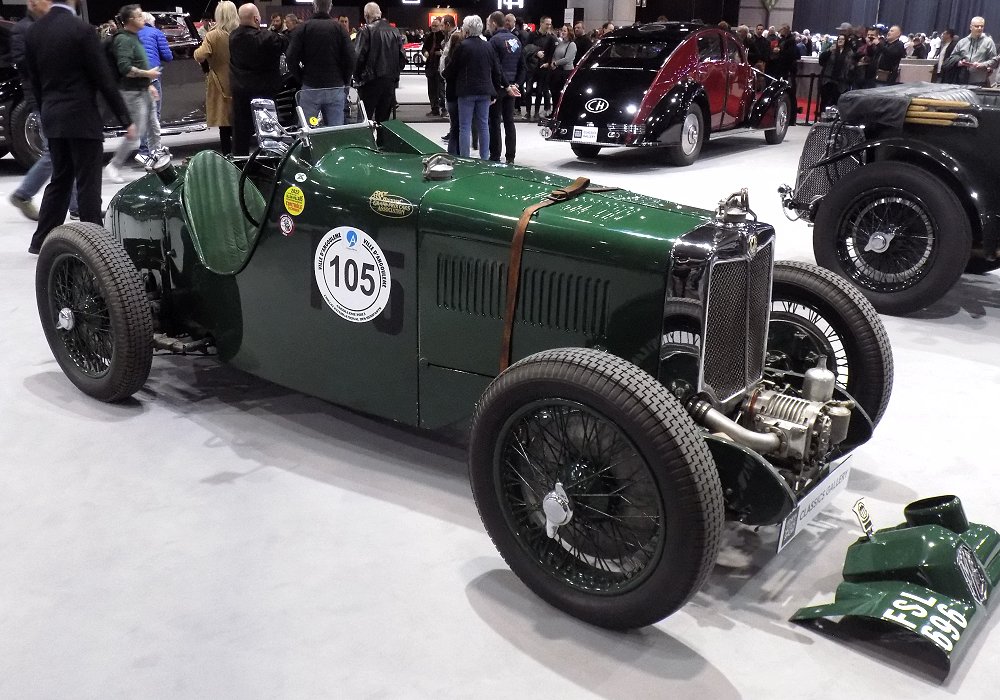
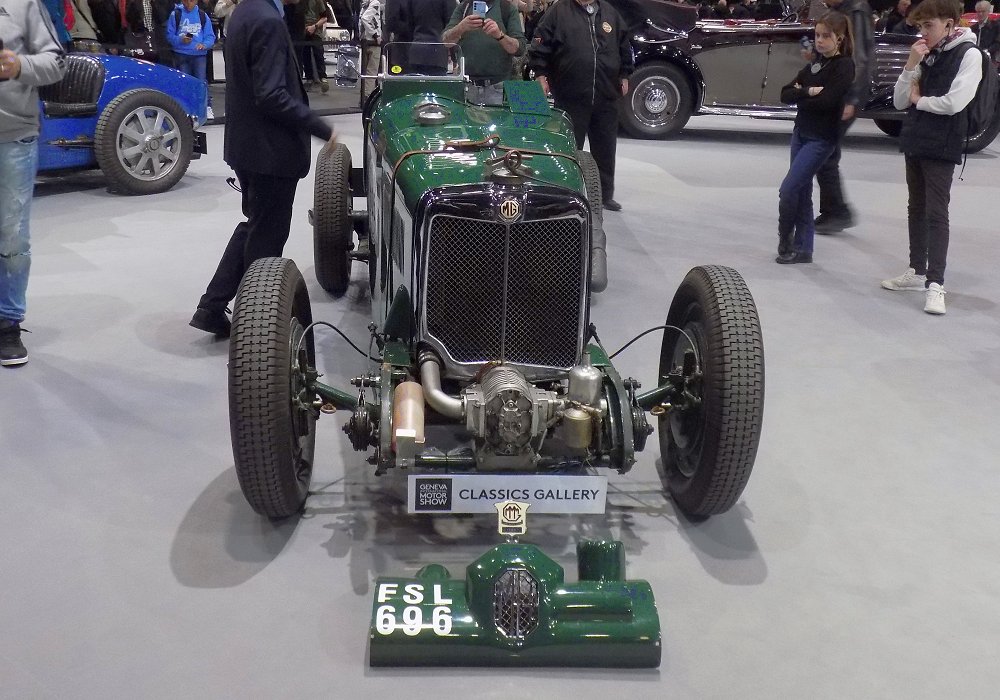
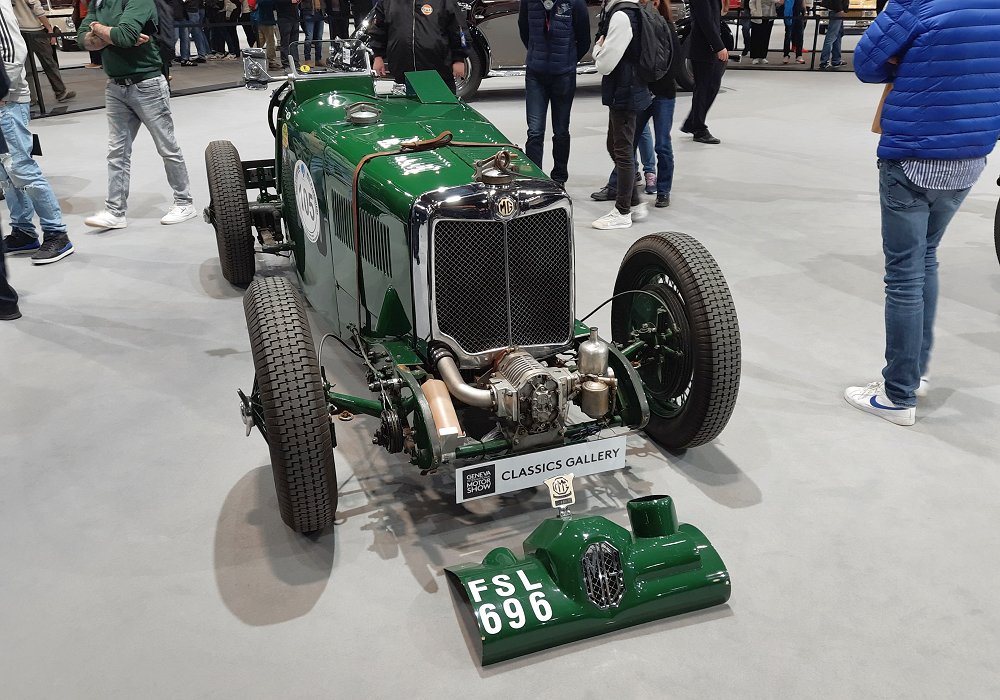
The MG K3 Supercharged was one of the most significant and successful competition cars produced by MG during the interwar period. Introduced in 1933 as part of the Magnette K-type series, the K3 represented the pinnacle of MG’s small-capacity racing engineering and played a crucial role in establishing the marque’s international sporting reputation.
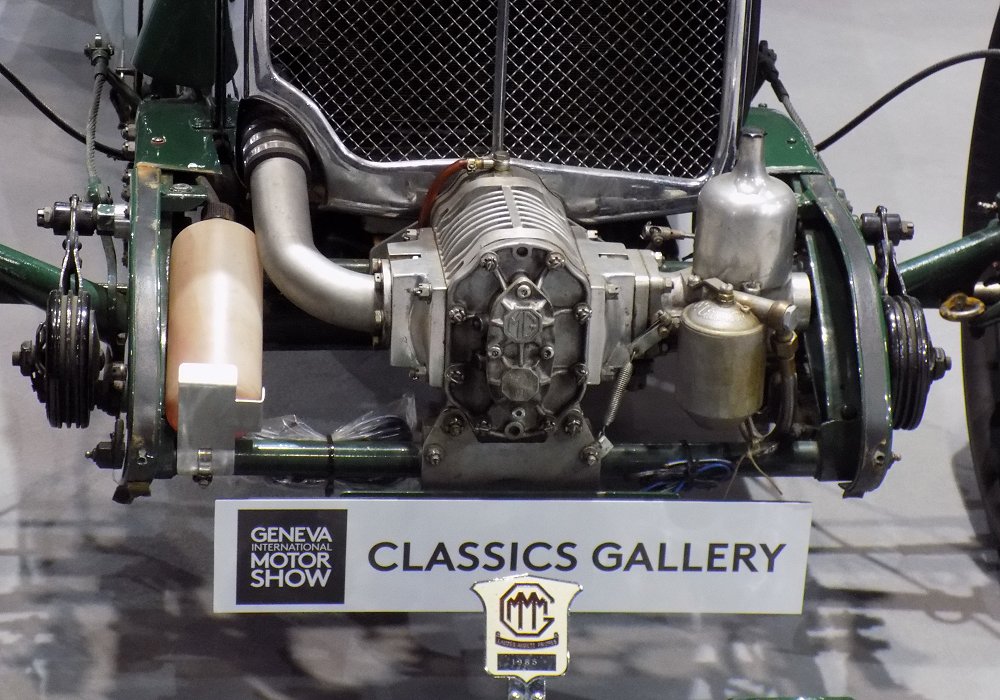
At the heart of the K3 was a 1087 cc inline six-cylinder engine fitted with a Roots-type supercharger. The overhead-camshaft design and forced induction combination allowed the small-capacity engine to produce remarkably strong output for its size. Power figures varied depending on specification and tuning, but the K3 delivered impressive performance, particularly in endurance and road racing events where its balance of speed and reliability proved advantageous.
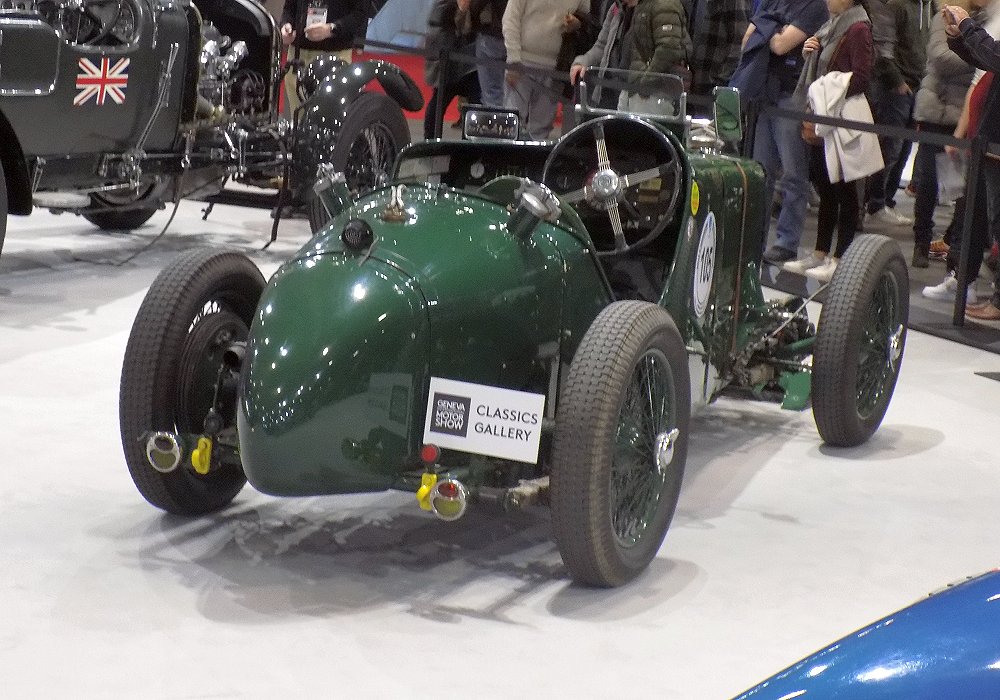
The chassis was based on the K-type Magnette but was significantly lightened and optimised for competition. The ladder-frame construction supported a lightweight two-seat body with cycle wings and minimal coachwork. The car’s low weight, combined with its supercharged engine, allowed it to compete effectively against larger-displacement rivals in international events.
One of the K3’s most notable achievements came in the 1933 Mille Miglia, where MG entered a team of K3 cars. The model achieved class victories and strong overall results, greatly enhancing MG’s reputation beyond Britain. These successes demonstrated that small-displacement, supercharged engines could compete successfully in long-distance road races, reinforcing MG’s identity as a performance-focused manufacturer.
The suspension used solid axles with semi-elliptic leaf springs, typical of the era, but the car’s light weight and careful tuning provided agile handling characteristics. A four-speed manual gearbox transmitted power to the rear wheels, giving drivers precise control over the engine’s boosted output.
Inside, the cockpit was purpose-built for competition. The layout was functional, with clear instrumentation and minimal comfort features. The emphasis was entirely on performance, reliability and driver engagement rather than luxury.
Production numbers for the MG K3 Supercharged were limited, as it was built primarily for competition and specialist customers. Surviving examples are rare and highly prized, especially those with documented racing history.
Today, the MG K3 Supercharged is regarded as one of the most important pre-war MG models. It represents the height of the marque’s early racing achievements and stands as a testament to the effectiveness of small-capacity supercharged engineering. As a historic competition car, it embodies MG’s pioneering spirit and its determination to compete successfully on the international stage.