Description
The MG J2 Midget was introduced in 1932 as part of MG’s successful J-type series and quickly became one of the most popular small sports cars of its era. Compact, lightweight and mechanically straightforward, the J2 embodied MG’s early philosophy of offering affordable sporting performance in a distinctive open two-seater format.
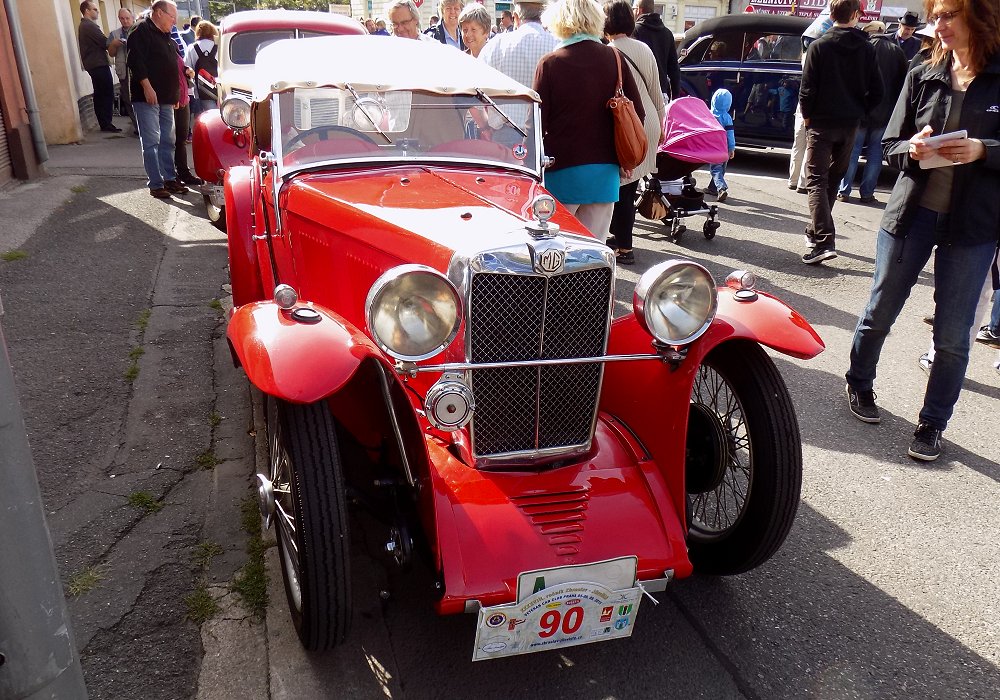
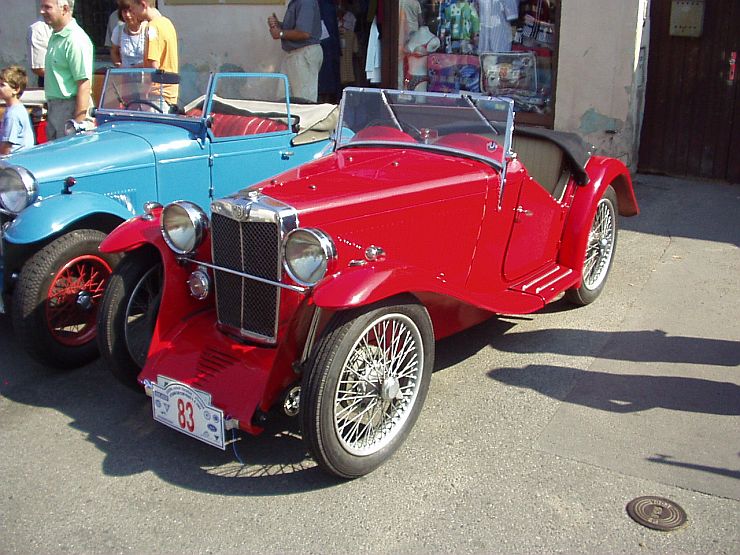
The J2 was developed from the earlier M-type Midget but featured a wider chassis and improved proportions. Its design was unmistakably British pre-war sports car, with cycle wings, a narrow radiator grille and separate headlamps mounted on a crossbar. The body was typically finished as a two-seat roadster with cut-down doors, giving the car a purposeful and sporty appearance.
Power came from an 847 cc four-cylinder engine with overhead camshaft design, a relatively advanced feature for a small-capacity car at the time. The engine delivered modest horsepower, but the lightweight construction of the J2 meant that performance was lively and engaging. A four-speed manual gearbox transmitted power to the rear wheels, contributing to the car’s responsive driving characteristics.
The chassis consisted of a simple ladder-frame design with solid axles and semi-elliptic leaf springs. While suspension technology was basic by modern standards, the low weight and narrow dimensions of the J2 gave it nimble handling and a direct driving feel. The steering was light and communicative, enhancing its appeal for enthusiastic drivers.
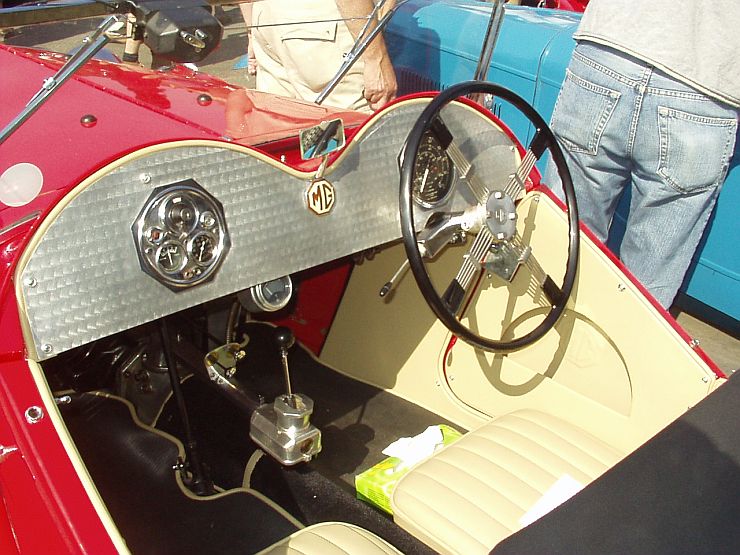
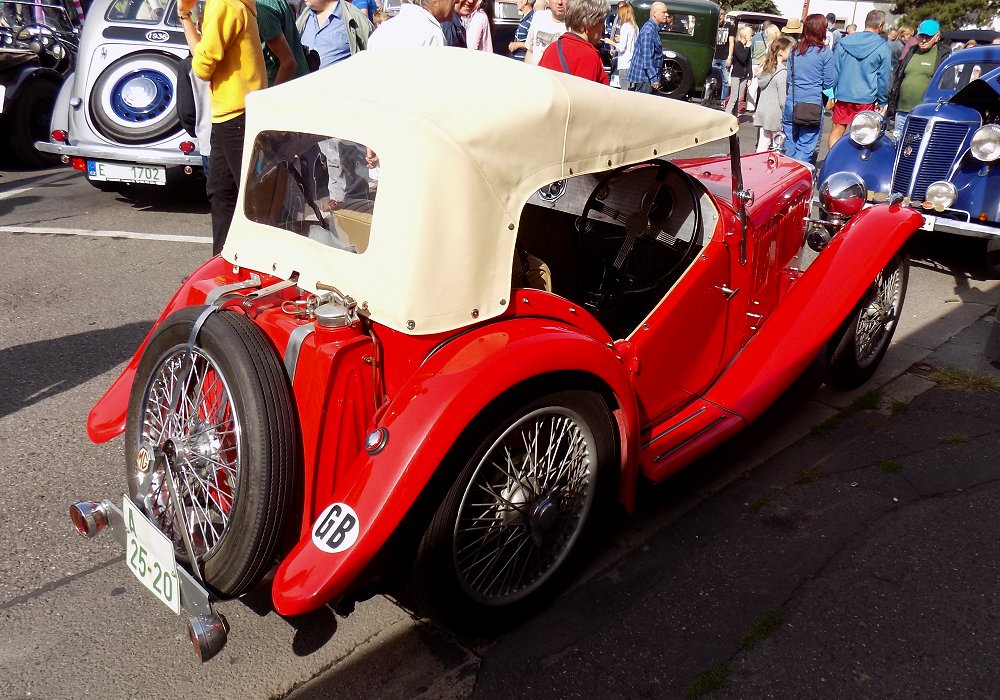
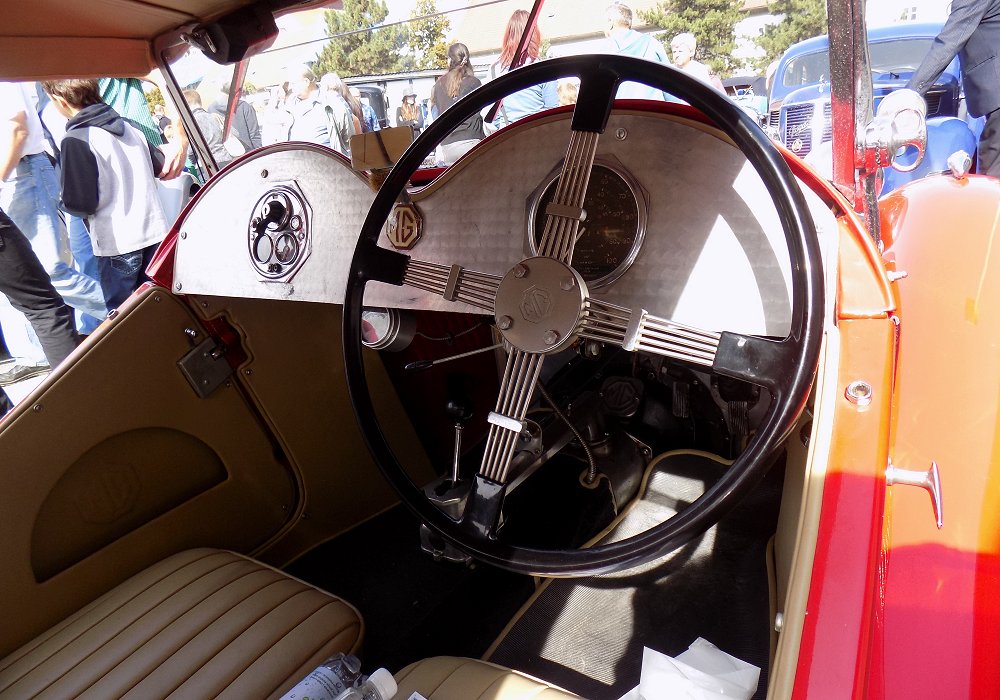
Inside, the cockpit was minimal and functional. Instruments were mounted centrally on the dashboard, and the driving position was upright and close to the controls. Weather protection was limited, with a simple folding hood and side screens provided for occasional use. Comfort was secondary to driving enjoyment, consistent with the sporting intent of the model.
The MG J2 Midget proved popular in club racing, trials and hill climbs during the early 1930s. Its combination of accessible price, mechanical reliability and competitive potential helped cement MG’s growing reputation as a producer of small but capable sports cars.
Production numbers were strong for a specialist sports model of the period, and the J2 became one of the defining MGs of the early 1930s. Today, it is regarded as a classic example of pre-war British sports car design. With its lightweight construction, overhead cam engine and charming styling, the MG J2 Midget represents an important stage in the evolution of MG’s sporting heritage and remains highly appreciated by vintage car enthusiasts.