Description
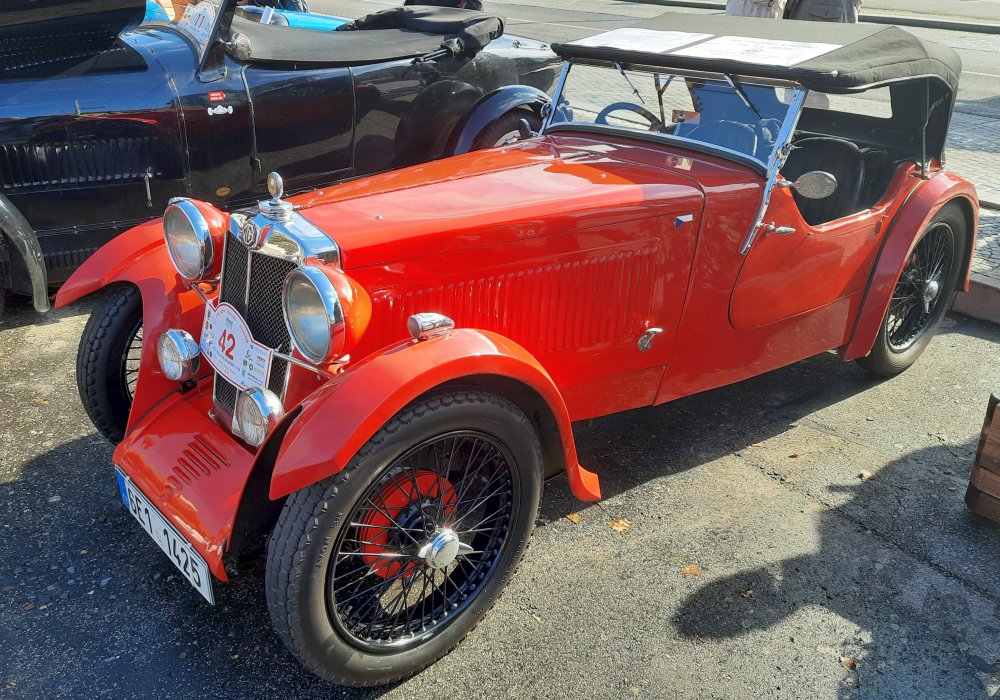
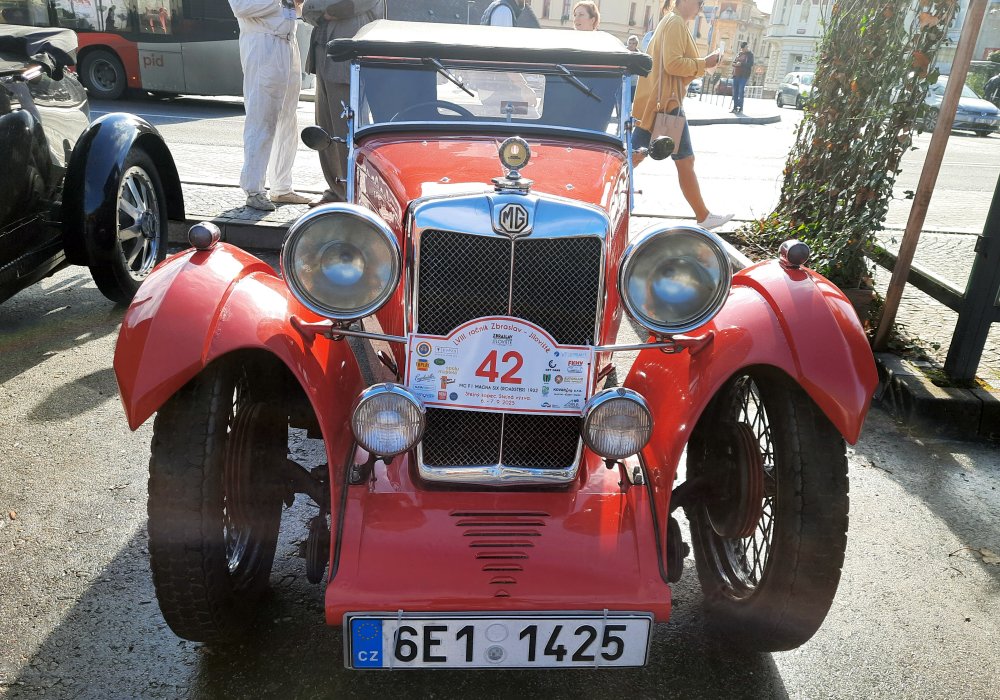
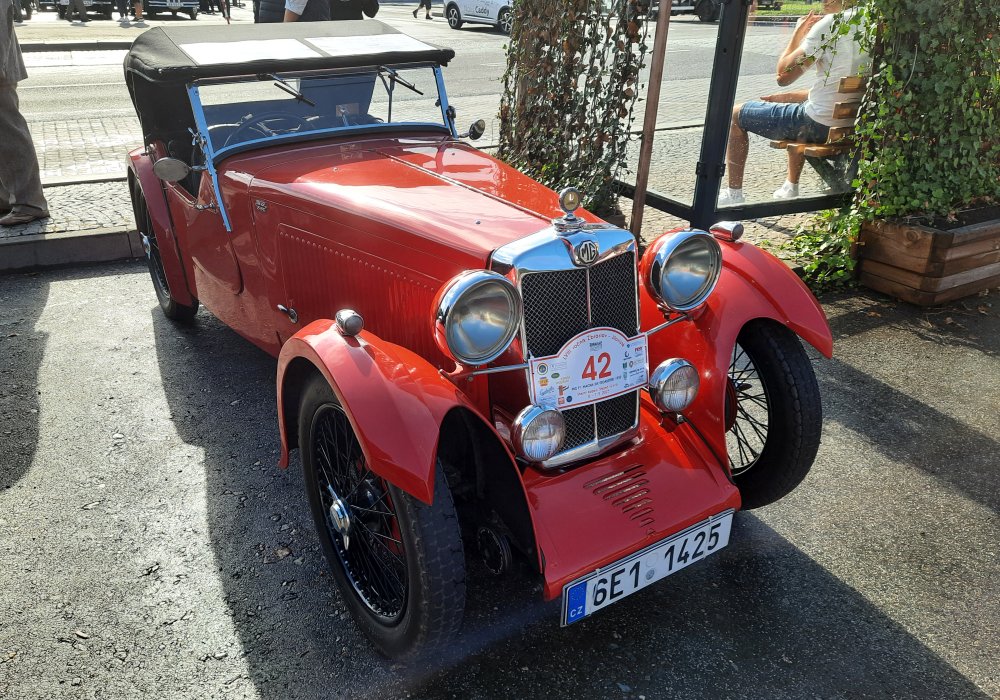
The MG F1 Magna Six Roadster by Jarvis & Sons was a distinguished pre-war sporting model that combined MG’s larger six-cylinder chassis with elegant British coachbuilt craftsmanship. Introduced in the early 1930s as part of the Magna range, the F1 variant marked MG’s move into a more powerful and refined segment above its small four-cylinder Midget models.
The F1 Magna was powered by a 1271 cc inline six-cylinder engine derived from Wolseley design, featuring overhead camshaft operation. This engine provided smoother running and greater flexibility than the smaller four-cylinder units found in earlier MGs. Output was modest by later standards but sufficient to deliver lively performance in a lightweight chassis. A four-speed manual gearbox transmitted power to the rear wheels, maintaining the engaging driving character associated with the marque.
The chassis was longer and wider than the earlier M-type and J-type models, providing improved stability and space. Suspension was conventional for the era, using solid axles and semi-elliptic leaf springs. The handling remained responsive and direct, consistent with MG’s sporting philosophy, while the six-cylinder engine added refinement and improved cruising ability.
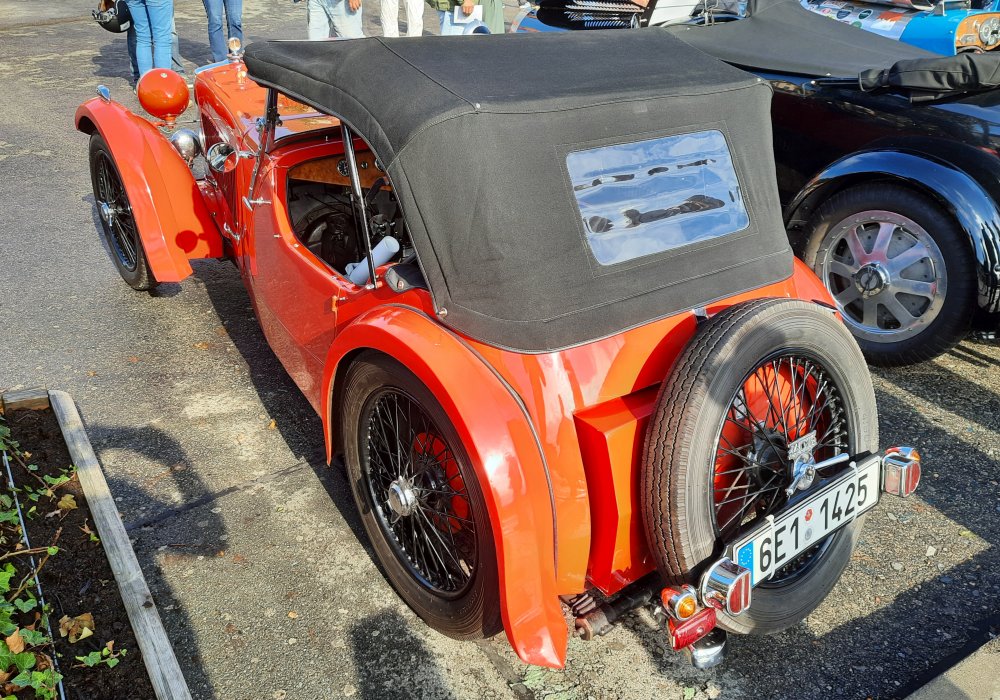
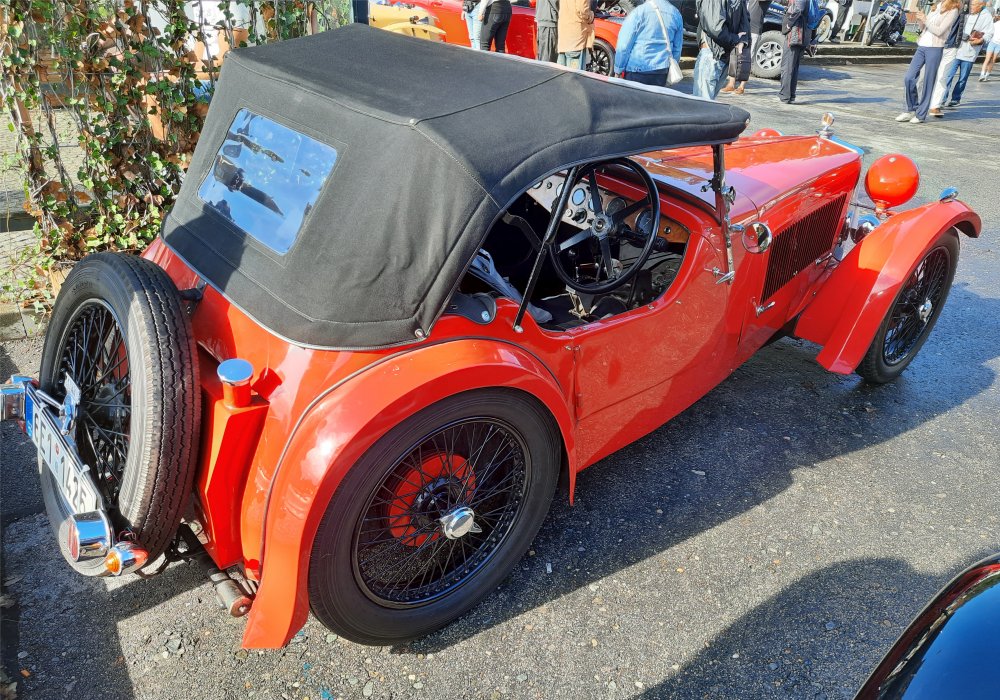
Jarvis & Sons, a respected British coachbuilder, produced bespoke roadster bodies for selected F1 chassis. The Jarvis-bodied Roadster typically featured flowing wings, a neatly integrated rear section and refined detailing that distinguished it from standard factory bodies. The design retained traditional British sports car proportions with a long bonnet, upright radiator grille and low-cut doors. Coachbuilt touches often included carefully shaped body panels, quality trim materials and subtle styling flourishes.
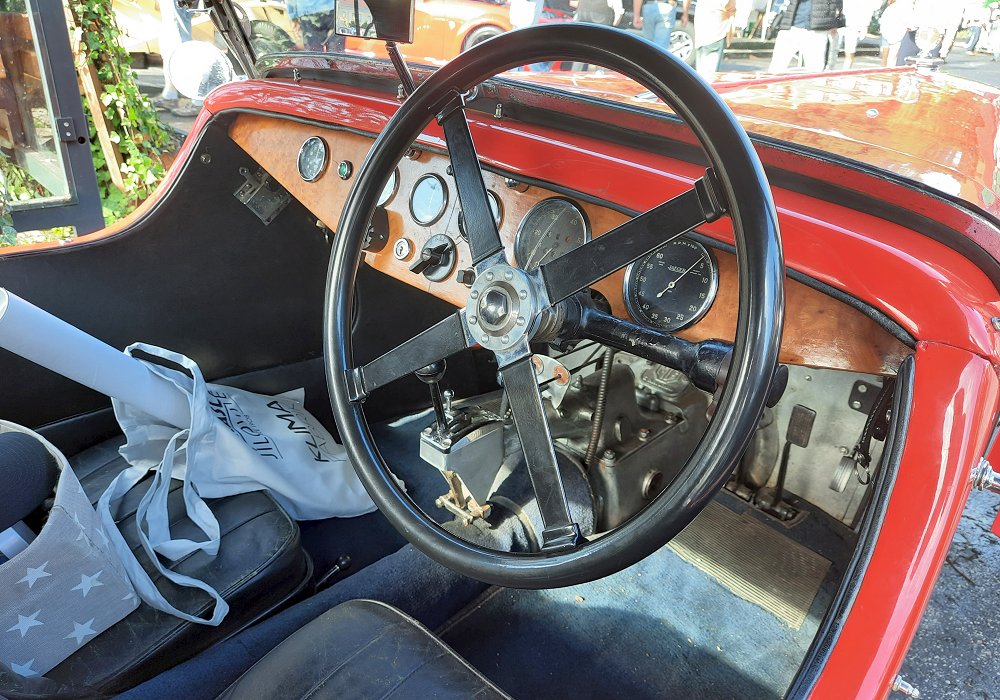
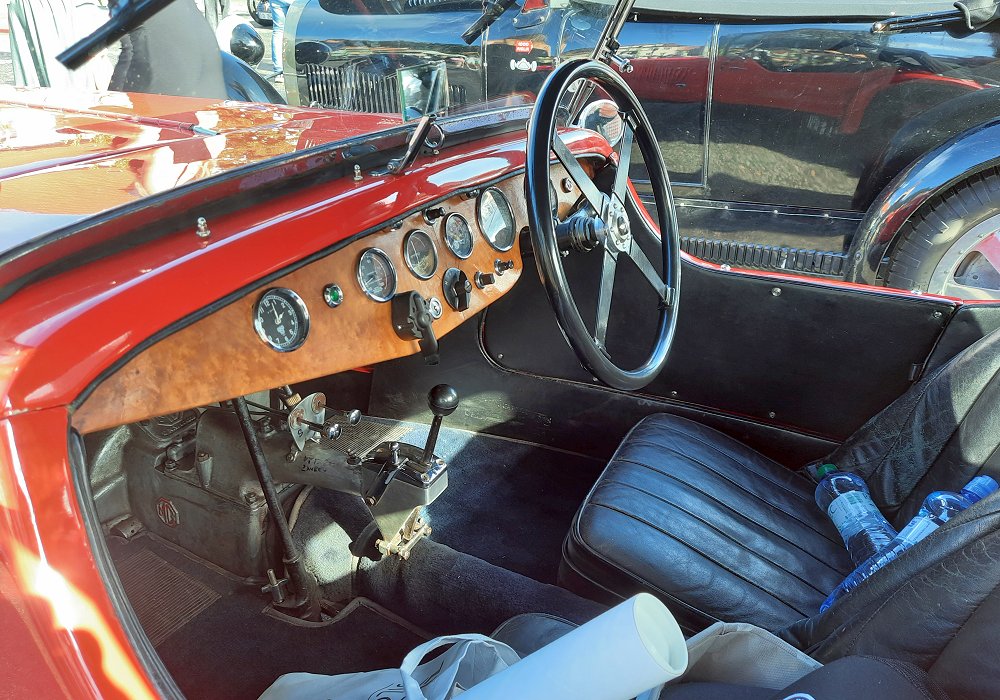
Inside, the Roadster configuration provided open-air motoring with a folding fabric hood and detachable side screens for weather protection. The cockpit layout was simple but purposeful, with centrally mounted instruments and a driving position that emphasised involvement rather than luxury. The six-cylinder engine’s smoothness made the car well suited to longer journeys compared with MG’s smaller sports models.
Production numbers for coachbuilt variants such as the Jarvis & Sons Roadster were limited, reflecting the bespoke nature of the work. Each example could vary slightly depending on customer specification and coachbuilder interpretation.
Today, the MG F1 Magna Six Roadster Jarvis & Sons is regarded as a rare and refined example of early 1930s British sports car engineering. It represents MG’s transition into more powerful six-cylinder models while showcasing the artistry of independent coachbuilders. As a collector’s car, it embodies the combination of lightweight sporting design and handcrafted elegance that defined the interwar British motoring scene.