Description
The Mercury Eight Woody Wagon was one of the most distinctive and characterful variants in the Mercury Eight lineup, combining the smooth performance of a flathead V8 with the handcrafted appeal of traditional wood-bodied construction. Produced during the late 1930s and 1940s, it reflected Mercury’s position as a more refined and substantial alternative to Ford, offering practicality with a strong sense of style.
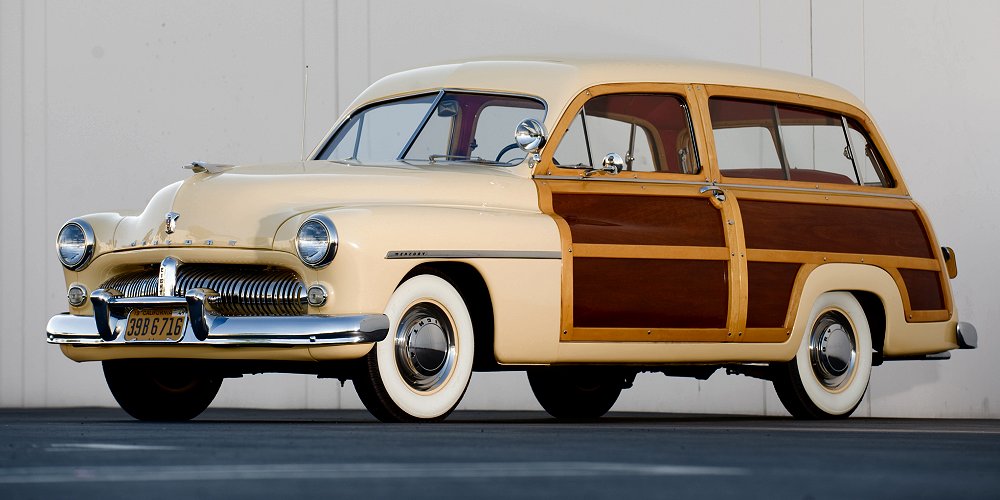
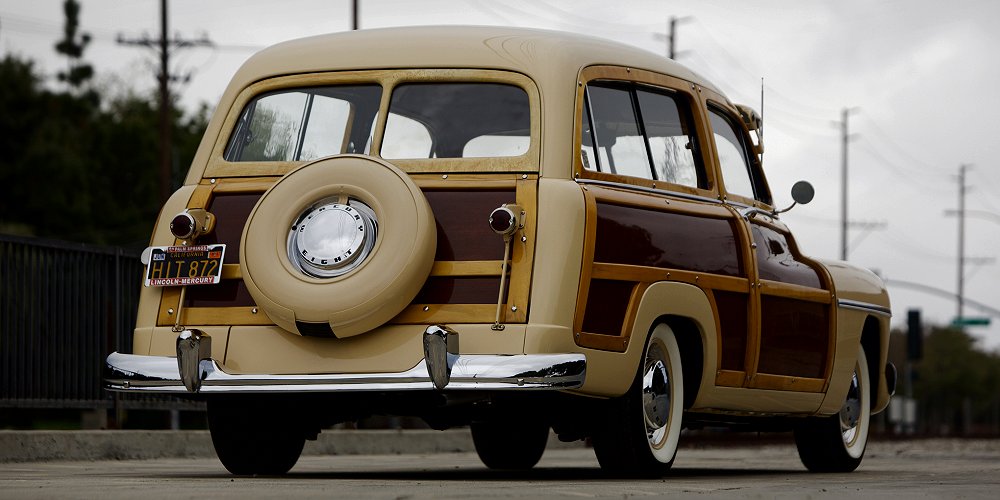
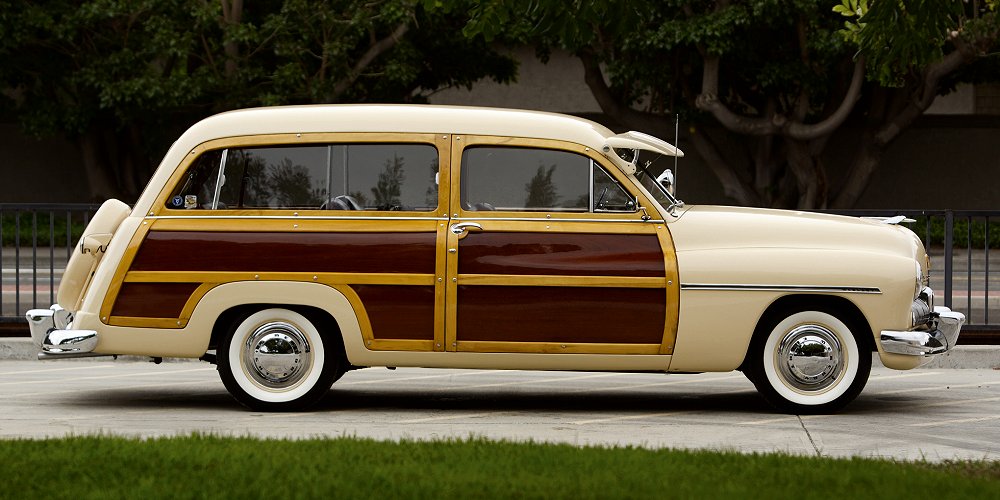
The “Woody” designation referred to the wagon’s use of structural and decorative wood in its bodywork. While the front end was typically steel, including the hood and fenders, the sides and rear sections incorporated carefully shaped wooden framing with inset panels. This construction method dated back to the earliest station wagons and gave the Mercury Eight Woody Wagon a warm, handcrafted appearance that contrasted with the all-steel bodies becoming more common at the time. The natural wood grain, often finished with varnish, became a defining feature of the vehicle’s character.
Styling followed the rounded and flowing design themes of the era. The Mercury’s longer wheelbase and broader proportions compared with Ford models gave the wagon a more imposing presence. A prominent chrome grille, smooth fenders and subtle brightwork added to its refined look, while the wood side panels created a unique visual identity. The combination of solid steel front bodywork and traditional wood rear construction made the Woody Wagon both elegant and practical.
Power came from Mercury’s 239 cubic inch flathead V8 engine. Known for its smooth torque delivery and durability, this engine provided relaxed performance well suited to family use and long-distance travel. It was not designed for high-speed performance, but rather for steady, dependable motoring. A manual transmission was standard, with automatic options appearing later as technology advanced.
The chassis used body-on-frame construction, providing strength and durability for passenger and cargo carrying duties. Independent front suspension improved ride comfort compared with older designs, while the solid rear axle offered robustness. The wagon’s suspension was tuned for comfort and load capacity, making it well suited to transporting families, luggage or equipment.
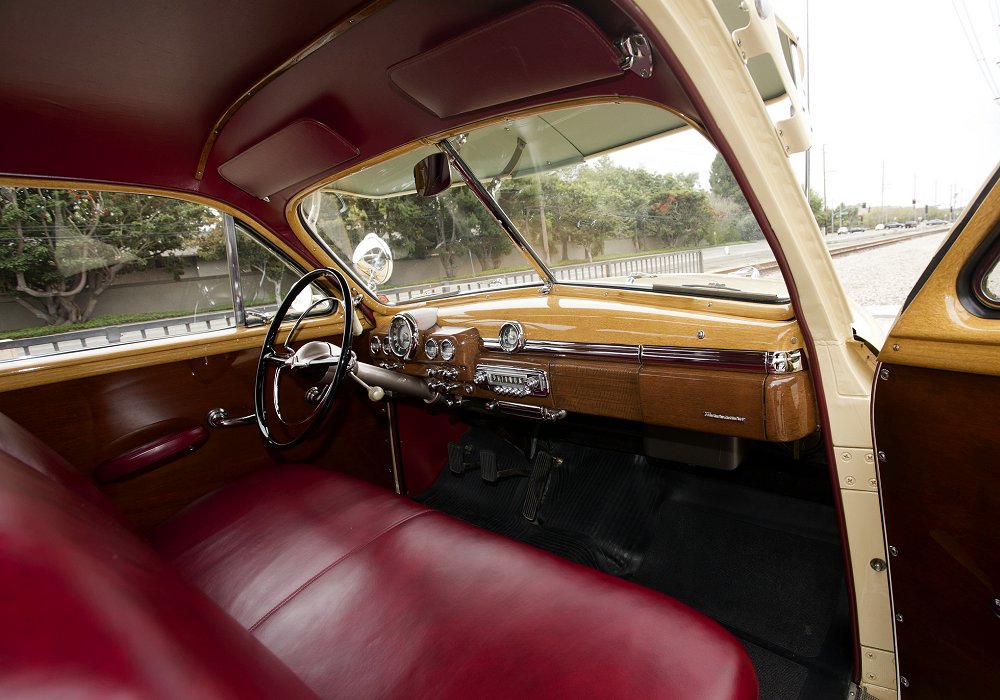
Inside, the Mercury Eight Woody Wagon offered spacious seating and a practical layout. Bench seats accommodated multiple passengers, and the rear cargo area could be adapted for luggage or equipment. The interior featured upgraded materials compared with Ford wagons, reinforcing Mercury’s mid-market positioning. The combination of comfort, space and distinctive styling made the Woody Wagon appealing to buyers who wanted both practicality and character.
Originally, station wagons were marketed toward affluent families, estate owners and outdoor enthusiasts. Over time, they became more mainstream family vehicles. The Mercury Eight Woody Wagon reflected this transition, offering greater refinement and presence than more utilitarian wagons while maintaining versatility.
Today, the Mercury Eight Woody Wagon is regarded as an icon of classic American motoring. Surviving examples are particularly prized due to the complexity and fragility of wood construction, which requires careful maintenance and restoration. As a historical vehicle, the Woody Wagon represents a unique blend of craftsmanship, practicality and V8 smoothness, capturing a period when station wagons were both functional and stylish symbols of American life.