

Description
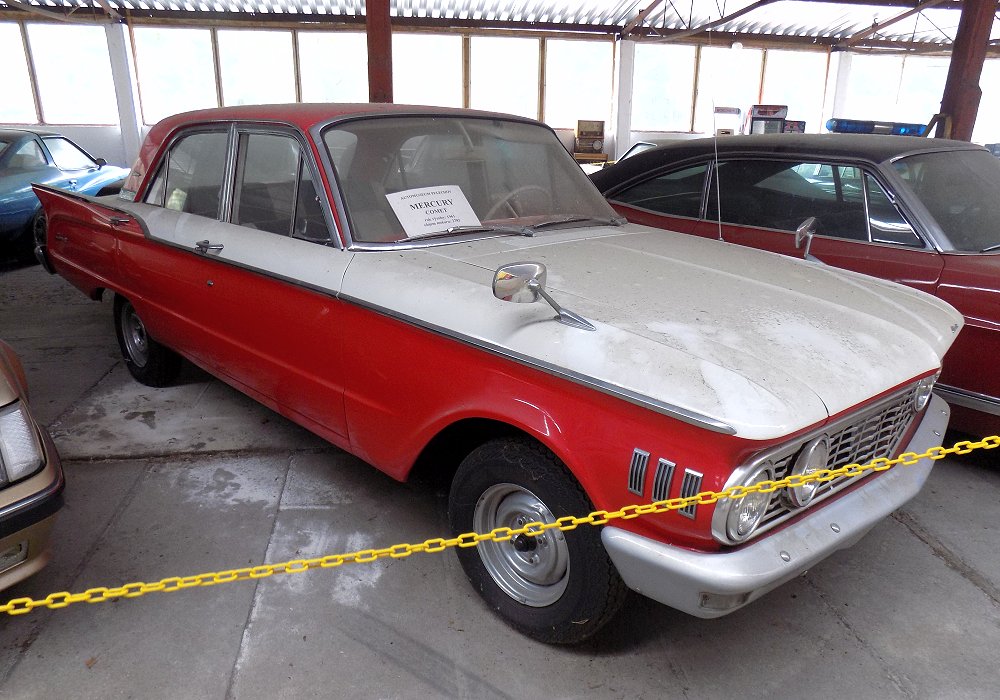
The Mercury Comet 170 Sedan was one of the early compact models in the Mercury lineup and reflected the shift in American automotive design during the early 1960s toward smaller, more economical cars. Introduced as part of the Comet range, the 170 Sedan offered practical transportation with understated styling, modest performance and improved fuel efficiency compared with larger full-size models.
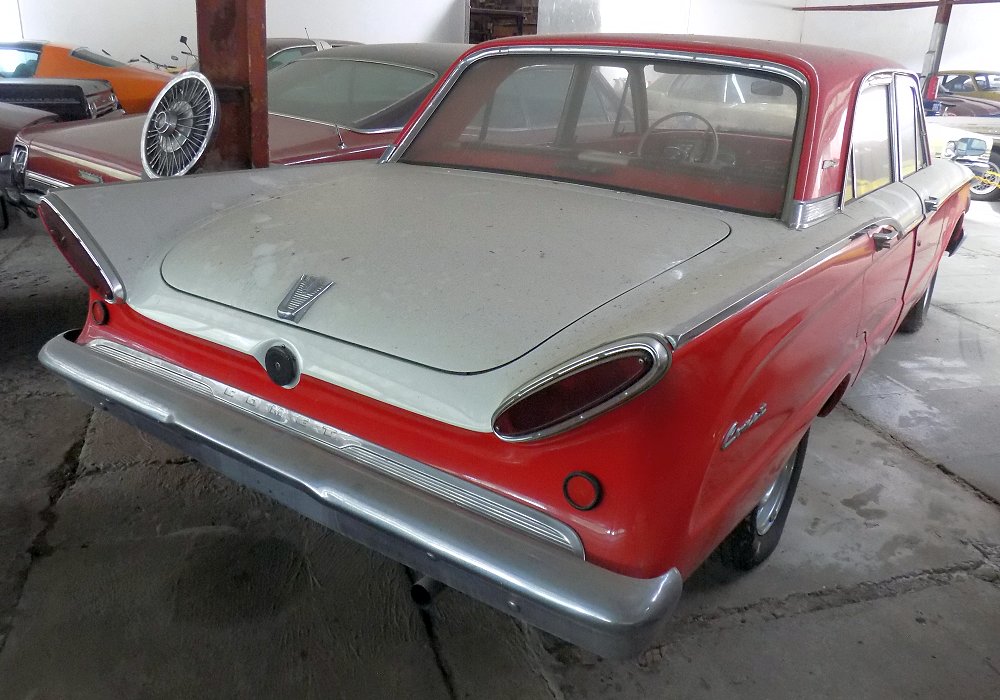
The Comet was originally developed as a compact vehicle positioned between Ford’s Falcon and larger Mercury offerings. By the time the 170 Sedan appeared, the model had established itself as a sensible alternative for buyers seeking lower operating costs without abandoning the Mercury badge. The design was clean and restrained, featuring straight body lines, modest chrome trim and a simple front grille. Compared with the flamboyant styling of late-1950s American cars, the Comet reflected a more conservative and practical aesthetic.
Power came from a 170 cubic inch inline six-cylinder engine, which gave the model its designation. This engine was designed for efficiency and reliability rather than high performance. Output was modest, but adequate for everyday driving and urban commuting. The inline six delivered smooth and predictable power, with straightforward mechanical design that made it easy to maintain. A manual transmission was standard, with automatic options available to suit buyer preference.
The chassis used unit-body construction, helping reduce weight and improve structural rigidity compared with traditional body-on-frame designs. Suspension was tuned for comfort and simplicity, offering stable and predictable handling rather than sporting agility. The Comet 170 Sedan was engineered as a practical family car, capable of dependable daily use with modest running costs.
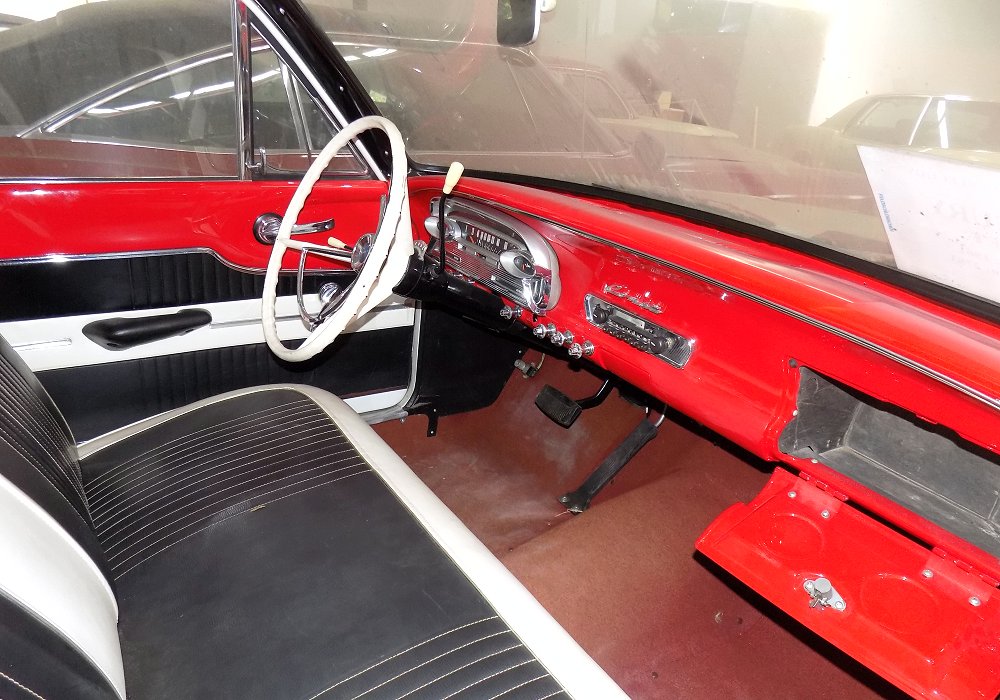
Inside, the Mercury Comet 170 Sedan featured a simple and functional cabin. Bench seating was standard, accommodating multiple passengers, and interior materials reflected the car’s entry-level positioning within the Mercury range. Instrumentation was clear and uncluttered, reinforcing the car’s straightforward character. Despite its compact dimensions, the Comet offered reasonable interior space for its class, making it a practical choice for families and commuters.
The Comet 170 Sedan appealed to buyers who wanted a compact vehicle with a touch of Mercury refinement over the equivalent Ford. It represented the changing priorities of American consumers during the early 1960s, when fuel economy, practicality and affordability became more important in response to shifting market conditions and competition from imported cars.
Today, the Mercury Comet 170 Sedan is regarded as a classic example of early-1960s compact American design. While less flamboyant than larger Mercury models, it holds historical significance as part of the brand’s adaptation to a new era of automotive demand. As a collector vehicle, it represents dependable engineering, clean styling and the beginning of Mercury’s move into the compact car segment.