
Description
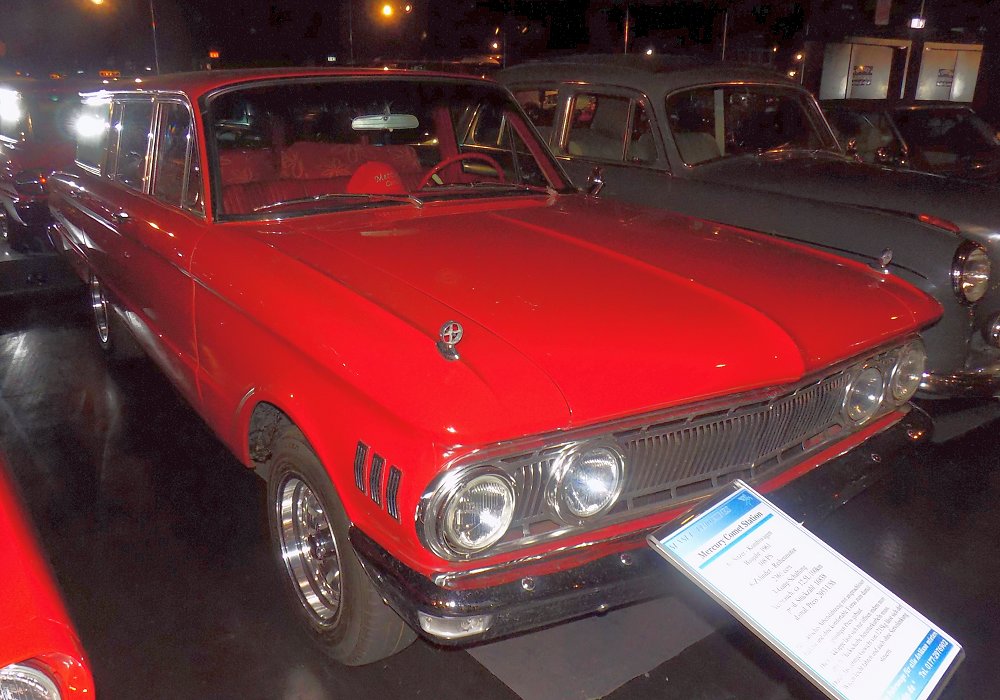
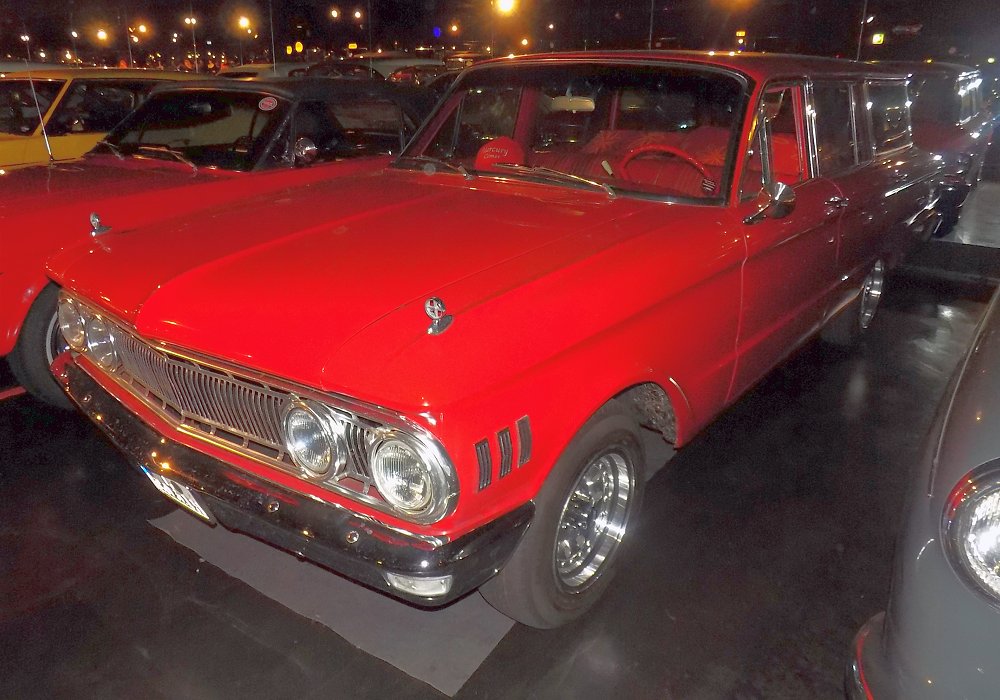
The Mercury Comet 144 Station Wagon was one of the earliest compact wagons offered under the Mercury nameplate and reflected the growing demand in the early 1960s for smaller, more economical family cars. Positioned as a practical alternative to full-size wagons, the Comet 144 Station Wagon combined compact dimensions with useful cargo space and straightforward engineering.
The Comet line was introduced at a time when American manufacturers were responding to increased interest in compact vehicles, driven by changing consumer priorities and competition from imported cars. The 144 Station Wagon represented the entry-level version of the range, powered by the smallest engine option available. Its styling was clean and restrained, with simple body lines, modest chrome accents and a practical two- or four-door wagon layout depending on configuration. Compared with the flamboyant designs of the late 1950s, the Comet’s appearance was more conservative and functional.
Power came from a 144 cubic inch inline six-cylinder engine. This unit was designed primarily for fuel efficiency and reliability rather than performance. Output was modest, but sufficient for everyday driving and light family use. The engine’s simple construction made it durable and easy to maintain, aligning with the car’s practical character. A manual transmission was standard, while an automatic option was available for buyers seeking greater convenience.
The Comet 144 Station Wagon used unit-body construction, which reduced weight and improved structural rigidity compared with traditional body-on-frame designs. This contributed to improved fuel economy and more predictable handling. Suspension tuning prioritised comfort and stability, making the wagon well suited to family duties, commuting and light cargo hauling.
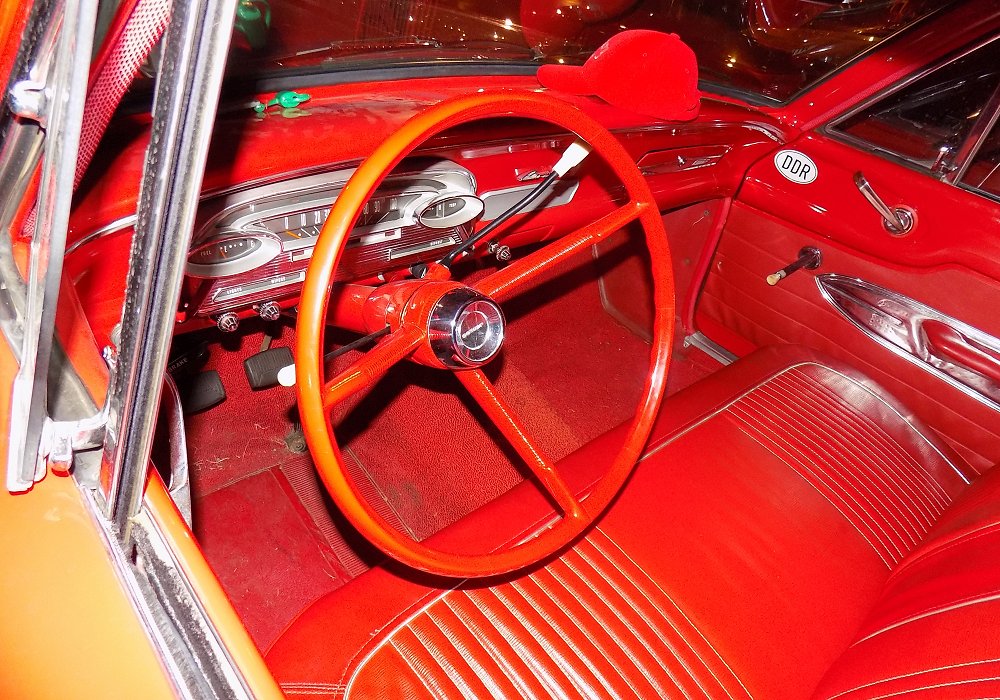
Inside, the wagon offered a functional and straightforward cabin. Bench seating accommodated multiple passengers, and the rear cargo area provided useful space for luggage, groceries or equipment. The folding rear seat allowed for increased cargo capacity when needed, enhancing versatility. Interior trim was modest, reflecting the model’s entry-level positioning within the Mercury lineup, but it maintained a level of refinement above comparable Ford variants.
The Mercury Comet 144 Station Wagon appealed to buyers seeking practicality and affordability combined with the added distinction of the Mercury badge. It represented a shift in American automotive culture, where efficiency and compact size began to gain broader acceptance alongside traditional full-size models.
Today, the Mercury Comet 144 Station Wagon is regarded as a representative example of early-1960s compact American design. While not as powerful or glamorous as larger Mercury models, it holds historical importance as part of the brand’s adaptation to changing market demands. As a classic vehicle, it reflects a transitional period in American motoring, when practicality and economy began to play a larger role in shaping the family car.