Description
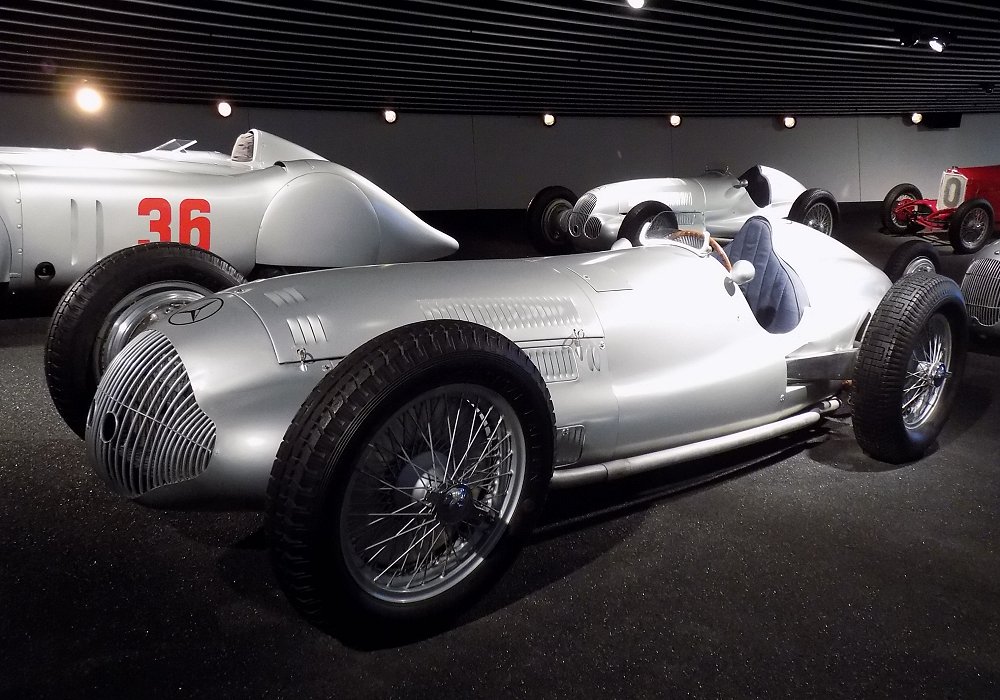
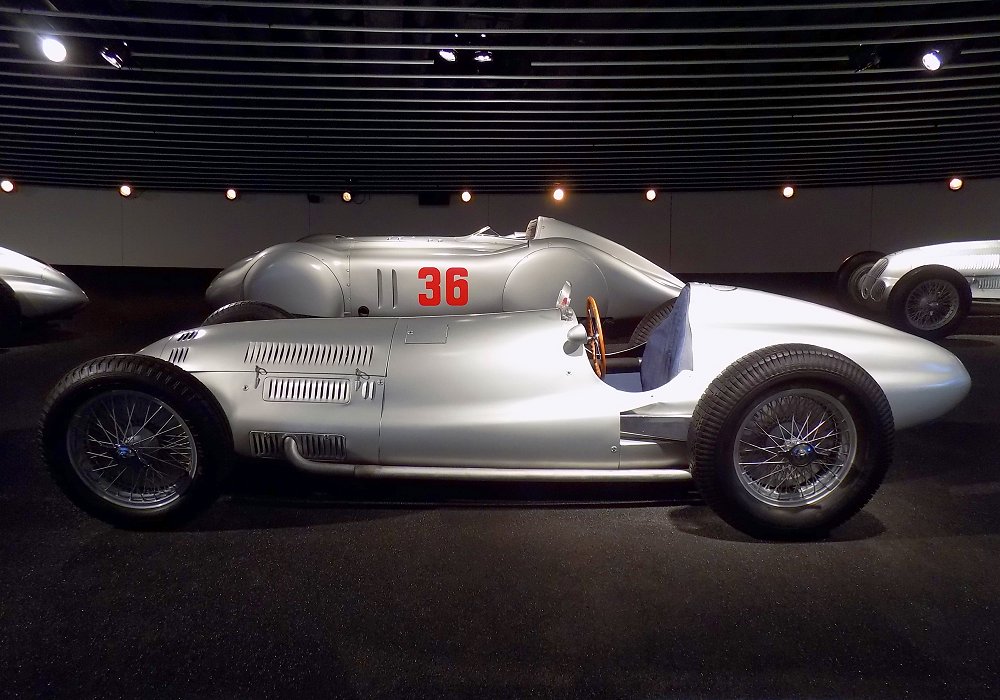
The Mercedes-Benz W154 3 L was the successor to the legendary W125 and the car that carried Mercedes-Benz into the new era of Grand Prix racing defined by the 1938 regulations. With the introduction of strict engine capacity limits, the unrestricted power of the 750-kilogram formula came to an end, and Mercedes-Benz was forced to rethink its approach. The result was the W154, a technically sophisticated and highly competitive racing car designed to emphasize balance, reliability and drivability rather than sheer brute force. It became the dominant Grand Prix machine of the late pre-war period and the final great Silver Arrow to race extensively before the outbreak of the Second World War.
Power came from a newly designed 3.0-litre supercharged V12 engine, a significant departure from the inline-eight layouts used previously. Equipped with a Roots-type supercharger, the V12 initially produced around 425 horsepower, with later development pushing output closer to 470 horsepower. Although less powerful than the W125 in absolute terms, the W154 delivered its performance in a more controlled and usable manner. The compact V12 allowed better weight distribution and smoother power delivery, while the supercharger ensured strong acceleration across a wide rev range. A five-speed manual gearbox was fitted, giving drivers greater flexibility and helping keep the engine within its optimal power band.
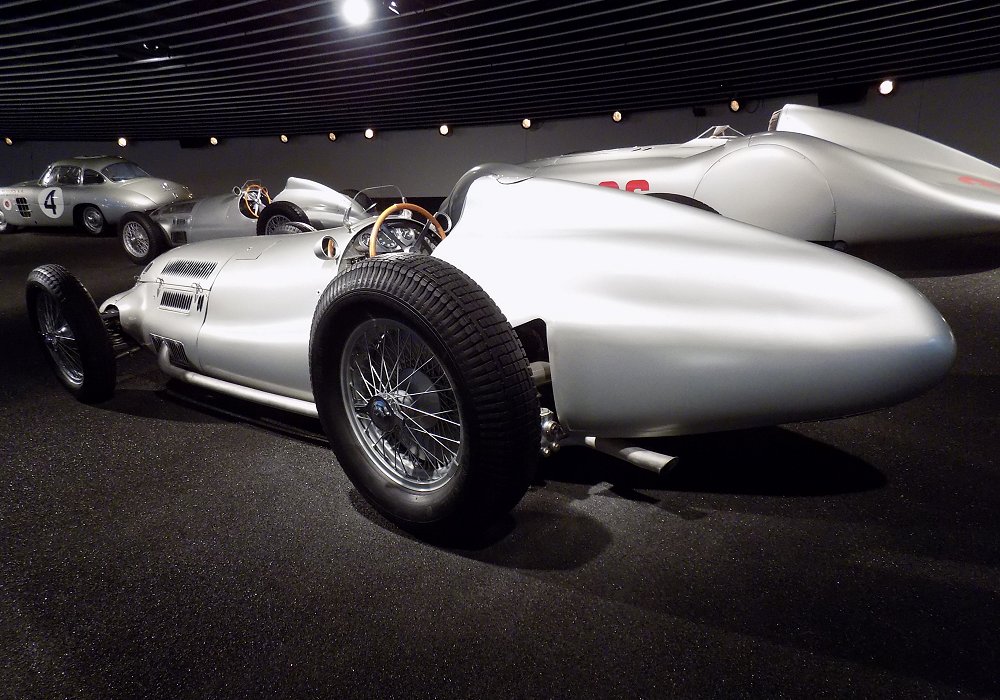
The chassis of the W154 was a tubular spaceframe designed to meet the new minimum weight requirements while providing improved rigidity and safety. Suspension marked a significant step forward from earlier designs. Independent front suspension with coil springs was retained, while the rear used a De Dion axle, replacing the swing-axle layout that had contributed to unpredictable handling in earlier cars. This change dramatically improved stability and cornering behaviour, making the W154 more forgiving at the limit and easier to drive consistently over long race distances. Large drum brakes were fitted all round, refined to cope with sustained high-speed racing under the new regulations.
Aerodynamics were more refined than on earlier Silver Arrows. The bodywork was smoother and more integrated, with carefully shaped panels designed to reduce drag while maintaining adequate cooling. Although most W154s raced in traditional open-wheel form, streamlined versions were also developed for high-speed circuits, continuing Mercedes-Benz’s exploration of aerodynamic efficiency. The overall design was less extreme than the Avus streamliners, but more coherent and adaptable to a wide range of circuits.
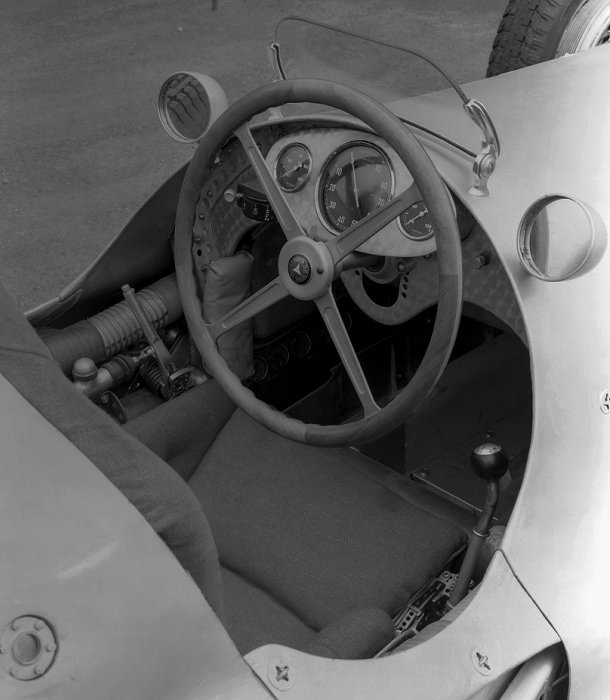
The cockpit of the W154 reflected the increasing professionalism of Grand Prix racing. While still spartan by modern standards, it offered improved ergonomics compared with earlier cars. Instrumentation was clearer, seating position was better integrated into the chassis, and the car was less physically punishing to drive than the W125. Nevertheless, driving the W154 still required immense skill, strength and concentration. Steering remained heavy, brakes demanded careful modulation, and the supercharged V12 could be unforgiving if mishandled.
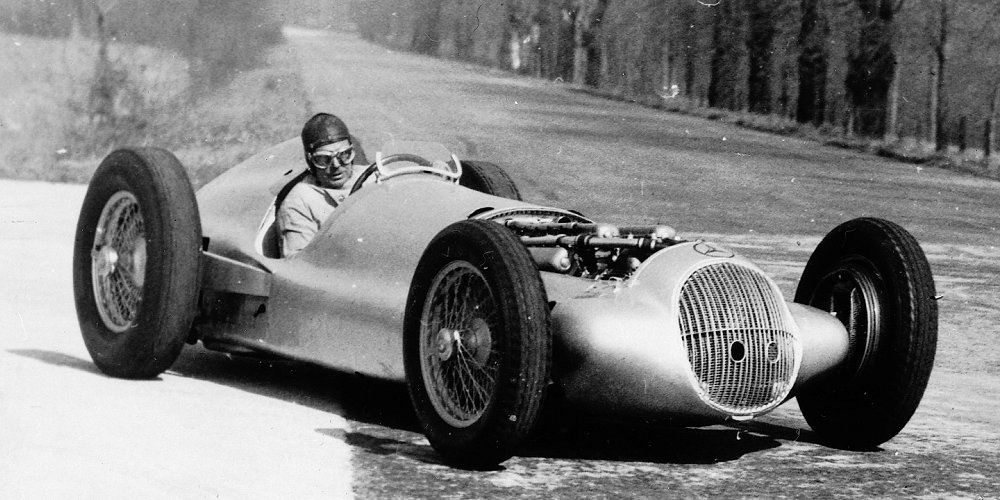
On the track, the Mercedes-Benz W154 proved immediately successful. In the 1938 and 1939 seasons it dominated European Grand Prix racing, driven by a formidable lineup that included Rudolf Caracciola, Hermann Lang, Manfred von Brauchitsch and later younger talents emerging within the Mercedes team. Caracciola won the 1938 European Championship in the W154, confirming the car’s superiority under the new regulations. Its combination of speed, reliability and improved handling made it the benchmark against which all rivals were measured.
The W154 also demonstrated Mercedes-Benz’s ability to adapt rapidly to regulatory change. Where the W125 had represented the uncontrolled peak of power, the W154 showed a more mature engineering philosophy, balancing performance with control and endurance. This approach allowed Mercedes-Benz to maintain its dominance even as the rules tightened and competition intensified.
Racing activity came to an abrupt end in 1939 as Europe descended into war. Although further development was planned, including experiments with two-stage supercharging and alternative fuels, the W154’s competitive life was cut short. Some of its engineering concepts would later influence post-war racing designs, but the car itself marked the end of the original Silver Arrow era.
Today, the Mercedes-Benz W154 3 L is regarded as one of the greatest Grand Prix cars ever built. It represents the refined culmination of pre-war Mercedes-Benz racing technology, combining immense performance with improved safety and drivability. As the last widely raced Silver Arrow before the Second World War, it holds a special place in motorsport history, standing as both a technical masterpiece and the closing chapter of a remarkable era.