Description
The Mercedes-Benz C 111-III Diesel Rekordwagen marked a decisive turning point in the C 111 experimental programme and demonstrated Mercedes-Benz’s ability to redefine expectations of diesel performance. Introduced in the mid-1970s, the C 111-III abandoned rotary power entirely and instead became a purpose-built high-speed record car, designed to prove that diesel engines could deliver not only efficiency and durability, but also sustained high-speed performance.
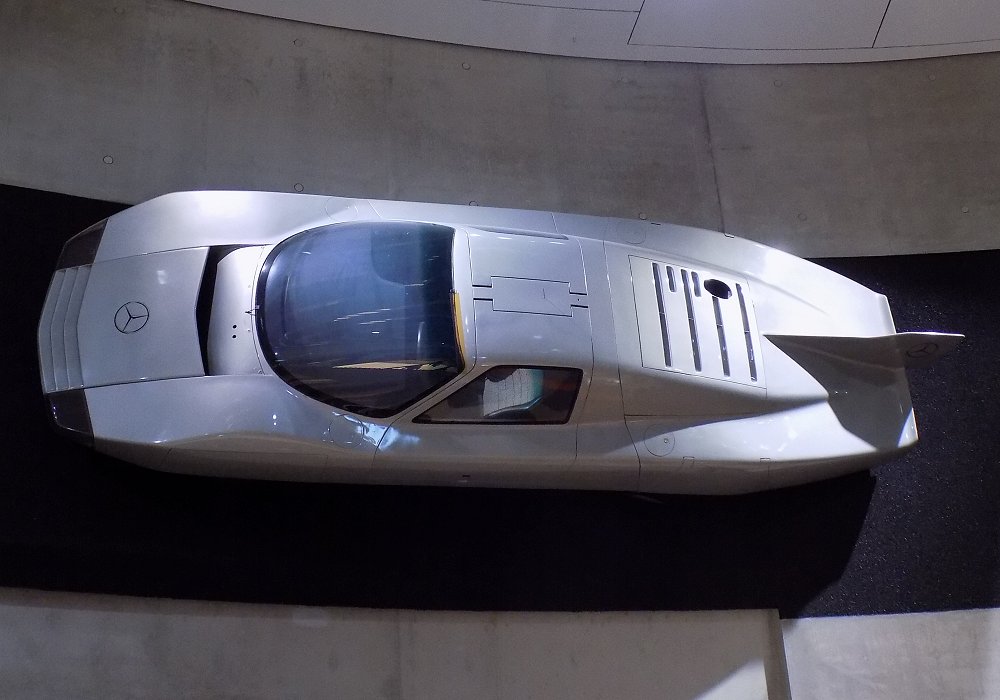
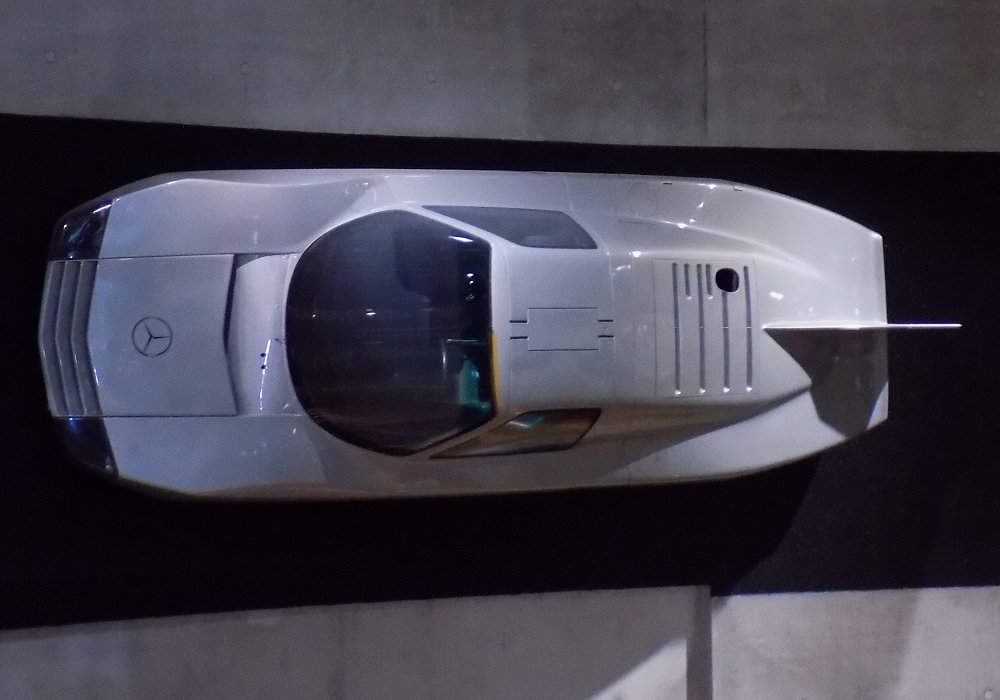
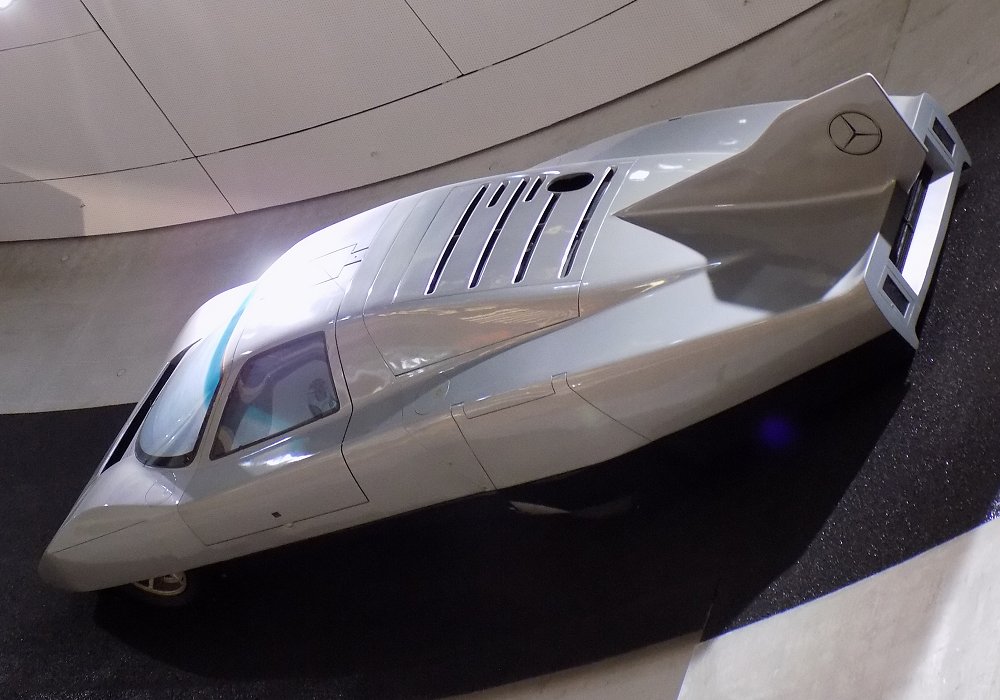
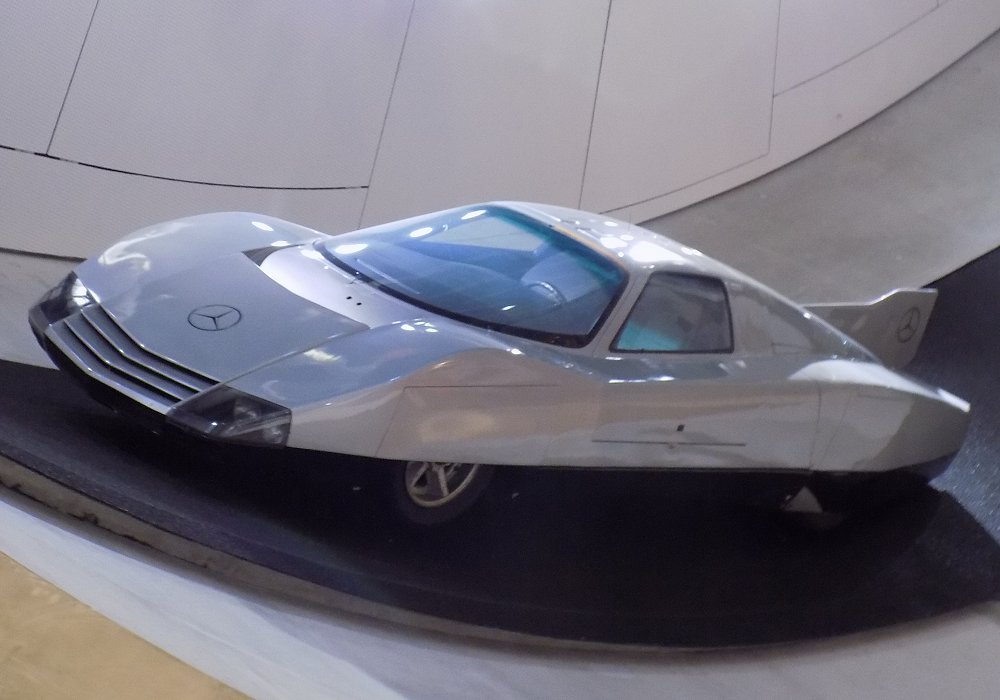
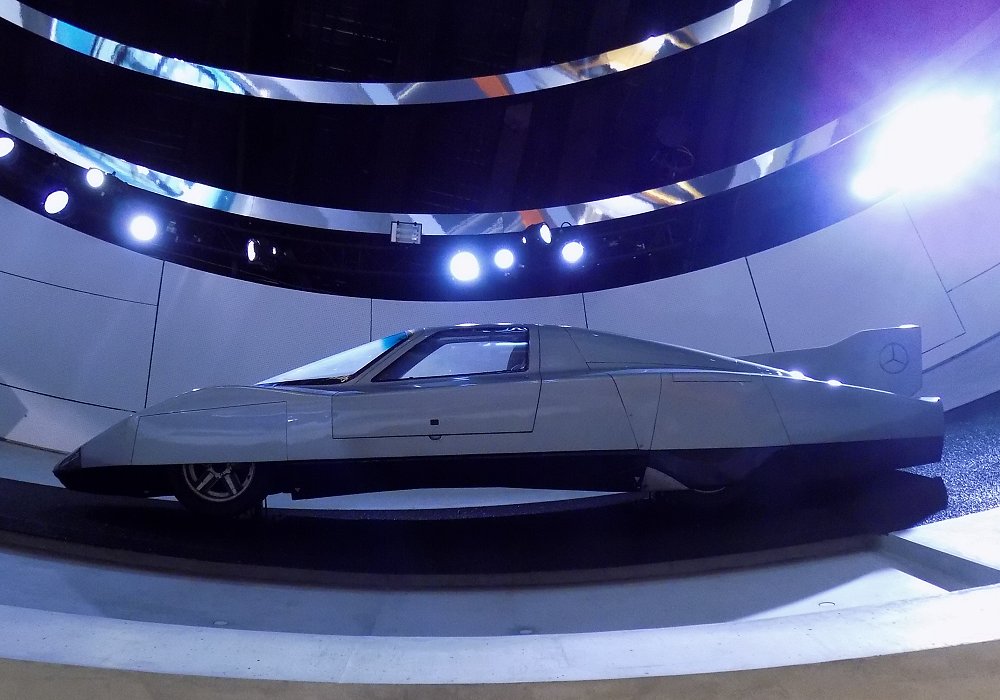
Visually, the C 111-III moved away from the dramatic gullwing styling of earlier C 111 versions and adopted a far more aerodynamically optimised body. The design was long, low and exceptionally smooth, with enclosed wheels and a sharply tapered rear section. Every aspect of the bodywork was shaped to minimise aerodynamic drag, reflecting the car’s singular purpose as a record-breaking machine rather than a roadgoing concept. The emphasis was on stability and efficiency at very high speeds over long distances.
Power came from a turbocharged five-cylinder diesel engine developed specifically for endurance and sustained output. The engine was based on Mercedes-Benz passenger car diesel architecture but heavily modified for performance, producing significantly more power than any contemporary production diesel engine. Turbocharging played a crucial role, allowing the engine to maintain strong output while retaining the inherent reliability and fuel efficiency that defined Mercedes-Benz diesel engineering.
The engine was designed to operate at high speeds for extended periods without failure, a core requirement for record attempts. Unlike petrol-powered record cars that focused on short bursts of maximum speed, the C 111-III was engineered to run flat out for hours at a time. This endurance-focused philosophy aligned perfectly with Mercedes-Benz’s long-standing reputation for durability and mechanical integrity.
The chassis and running gear were reinforced to cope with prolonged high-speed operation. Suspension was tuned for absolute stability rather than handling agility, ensuring the car remained composed on long straights and high-speed circuits. Braking systems were designed for safety and control rather than repeated heavy use, as the vehicle’s operating environment differed greatly from that of a conventional racing car.
In 1978, the C 111-III Diesel Rekordwagen achieved a series of remarkable world records at the Nardò high-speed test track in Italy. It set multiple endurance and speed records for diesel-powered vehicles, including long-distance average speed records that shocked the automotive world. These achievements conclusively demonstrated that diesel engines were capable of sustained high-speed performance, fundamentally changing perceptions of diesel technology.
The success of the C 111-III had far-reaching consequences for Mercedes-Benz. The data and experience gained from the programme directly influenced the development of high-performance and turbocharged diesel engines for production vehicles. In the years that followed, Mercedes-Benz became a leader in diesel passenger car technology, combining performance, efficiency and longevity in a way few manufacturers could match.
Unlike earlier C 111 versions, the Diesel Rekordwagen was never intended to inspire a production sports car. Its purpose was purely technical and strategic, serving as a rolling laboratory to validate advanced diesel concepts under extreme conditions. In this role, it succeeded completely.
Today, the Mercedes-Benz C 111-III Diesel Rekordwagen is regarded as one of the most important experimental vehicles in the brand’s history. Its achievements reshaped the image of diesel engines and cemented Mercedes-Benz’s reputation for engineering credibility and long-term thinking. As a historical machine, it stands as a powerful reminder that innovation is not always about spectacle, but about proving what is possible through rigorous engineering and real-world performance.