Description
The Mercedes-Benz C 111-II was the second major evolution of the C 111 experimental programme and represented a significant step forward in Mercedes-Benz’s exploration of high-performance engines, aerodynamics and lightweight construction. Revealed in 1970, the C 111-II built upon the dramatic impact of the original C 111 while addressing many of its technical limitations, reinforcing its role as a serious engineering test vehicle rather than a pure styling exercise.
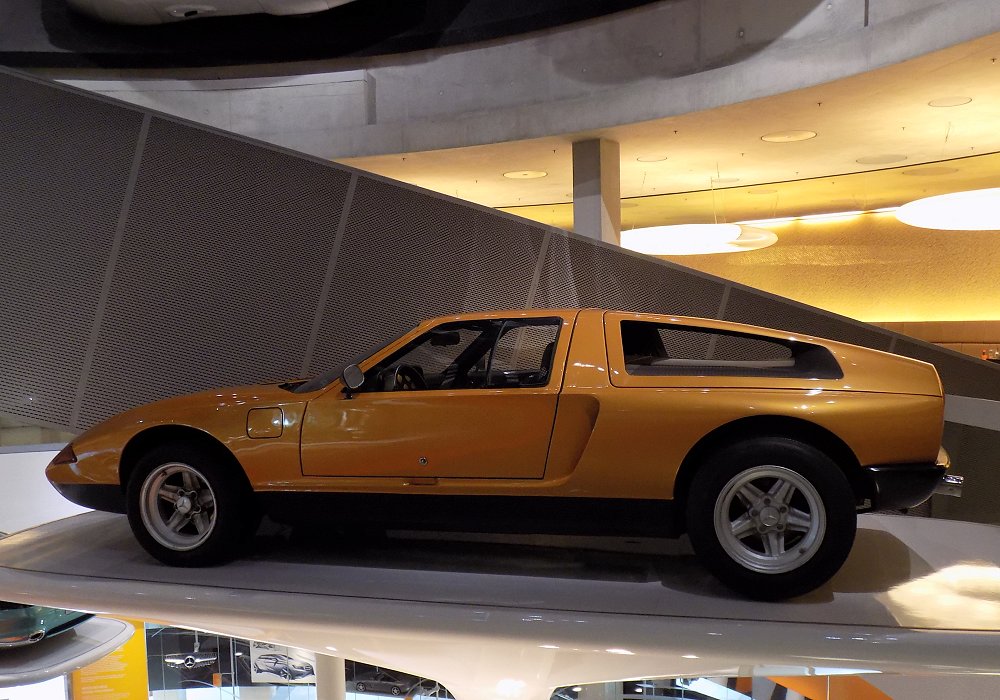
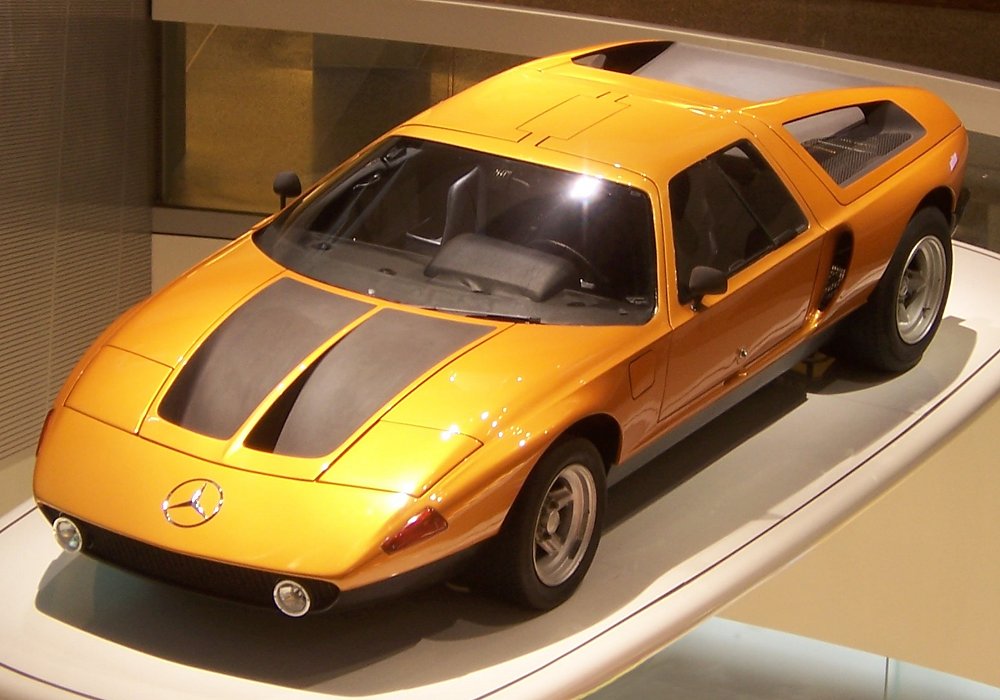
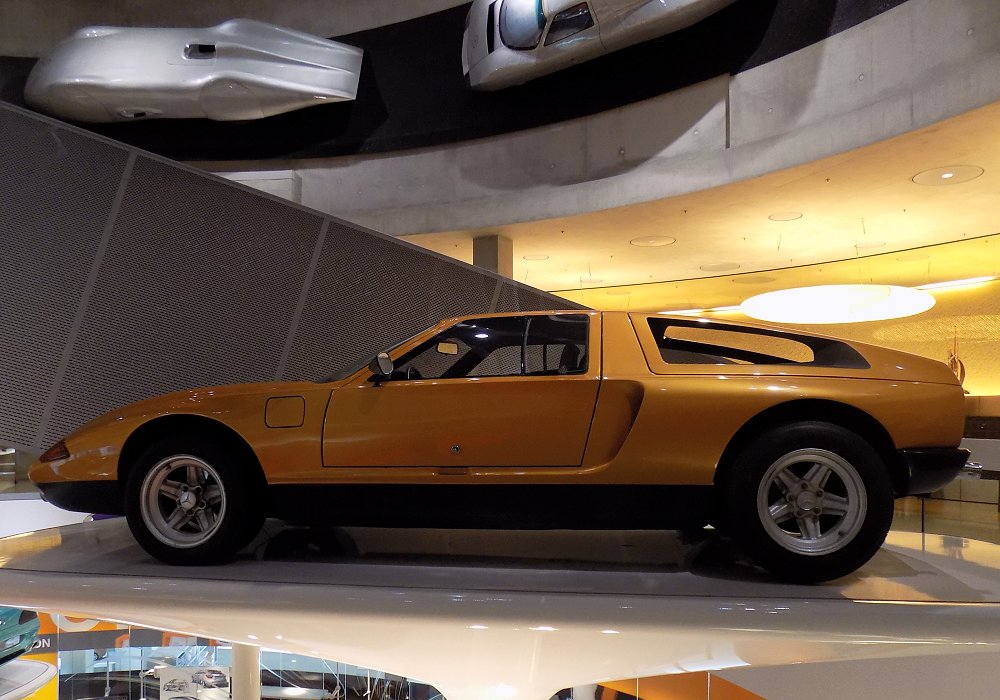
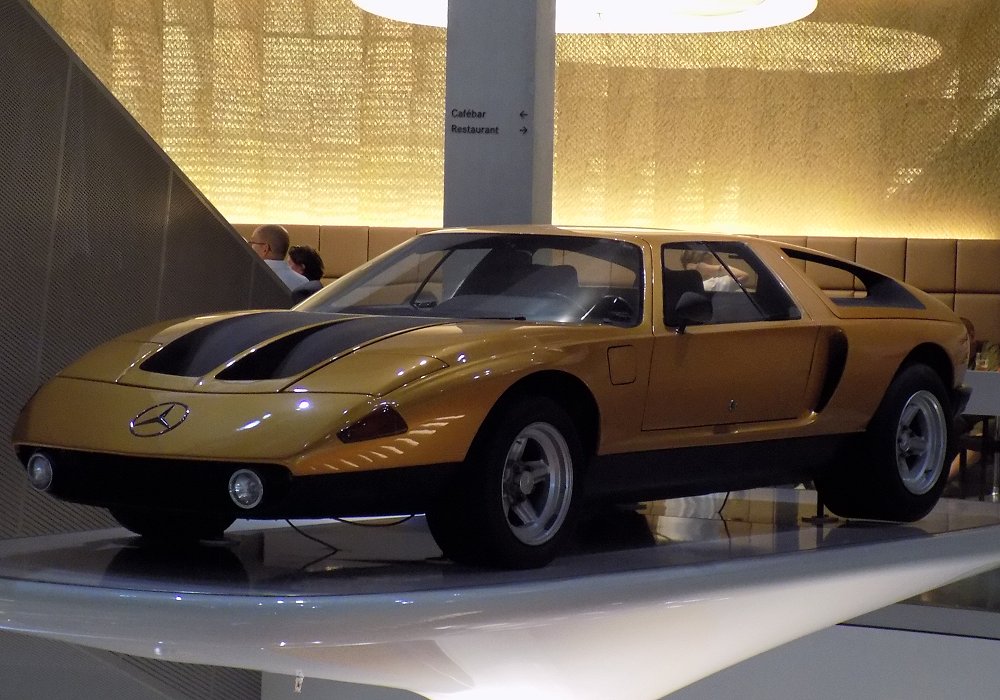
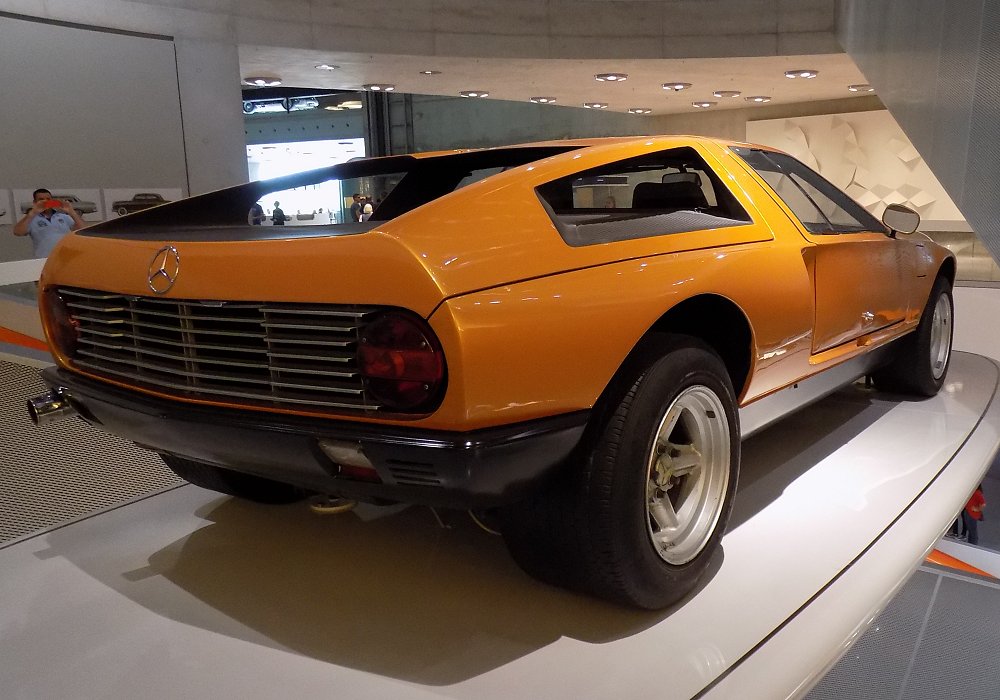
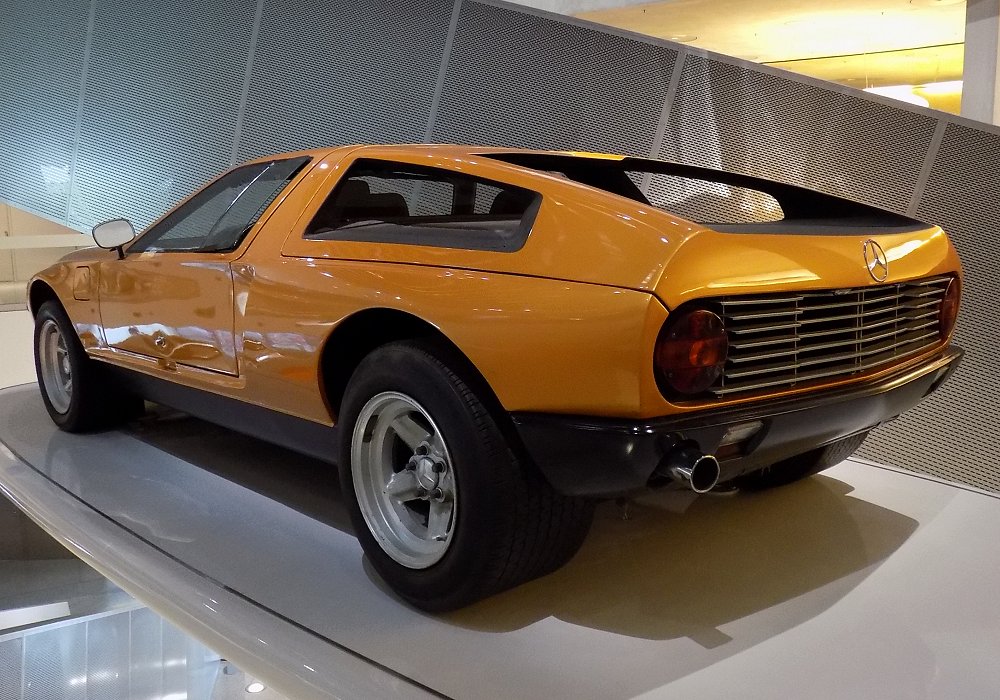
Visually, the C 111-II refined the striking wedge-shaped form introduced by its predecessor. The body was lower, wider and more aerodynamically efficient, with cleaner surface transitions and improved airflow management. The distinctive gullwing doors were retained, maintaining a visual link to earlier Mercedes-Benz icons while emphasising the experimental nature of the car. The design was unapologetically futuristic, signalling Mercedes-Benz’s intent to explore the limits of speed and stability rather than production feasibility.
The most important developments lay beneath the bodywork. The C 111-II was powered by a four-rotor Wankel rotary engine, an ambitious step up from the three-rotor unit used in the first C 111. This engine produced very high power for its size, with output figures reported at around 350 horsepower. The compact dimensions of the rotary engine allowed it to be mounted low and centrally, contributing to a favourable weight distribution and a low centre of gravity. Performance was exceptional for the period, with acceleration and top speed placing the C 111-II firmly in supercar territory.
Despite its impressive output and smooth power delivery, the rotary engine continued to present challenges. Fuel consumption was high, emissions were difficult to control, and long-term durability remained problematic. These issues ultimately prevented Mercedes-Benz from adopting rotary engines for production vehicles, but the C 111-II provided invaluable data and experience that informed the company’s broader engine development strategy.
The chassis and body construction of the C 111-II were also highly advanced. Extensive use was made of fiberglass-reinforced plastic for the body panels, reducing weight while allowing complex aerodynamic shapes. The structure was designed to cope with high speeds and sustained testing, reflecting the car’s role as a development platform rather than a concept built purely for display. Suspension and braking systems were engineered to manage the performance potential of the car, providing stability and control during high-speed testing.
Inside, the C 111-II featured a functional and purposeful cockpit. The interior was dominated by instrumentation and controls required for testing, with little emphasis on comfort or luxury. Seating was low and upright, giving the driver a clear sense of connection to the car’s dynamics. While visually striking, the interior reinforced the message that the C 111-II was an experimental laboratory on wheels, not a finished road car.
Public reaction to the C 111-II was intense. Enthusiasts and potential customers expressed strong interest in a production version, drawn by its dramatic styling and headline performance figures. Mercedes-Benz, however, remained firm in its position that the C 111 programme was purely experimental. Safety regulations, emissions requirements and concerns about long-term reliability made series production unrealistic, particularly with rotary power.
Although the C 111-II never entered production, its influence on Mercedes-Benz engineering was profound. Lessons learned from its aerodynamics, materials and high-performance engine testing fed into later research projects. Most notably, the C 111 programme would soon pivot away from rotary engines toward advanced diesel development, leading to record-breaking high-speed diesel variants that reshaped perceptions of diesel performance.
Today, the Mercedes-Benz C 111-II is regarded as one of the most important experimental cars of its era. It represents a moment when Mercedes-Benz pursued radical ideas with technical seriousness, using bold design as a means to explore real engineering challenges. As a historical vehicle, the C 111-II stands as a symbol of innovation, ambition and the willingness to experiment in order to define the future direction of automotive technology.