Description
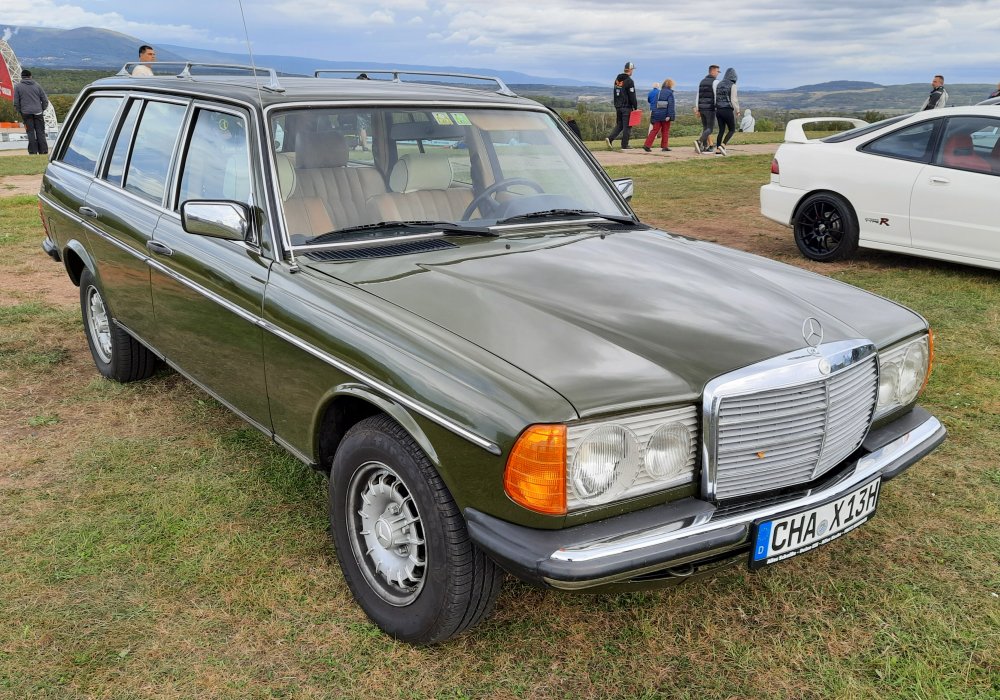
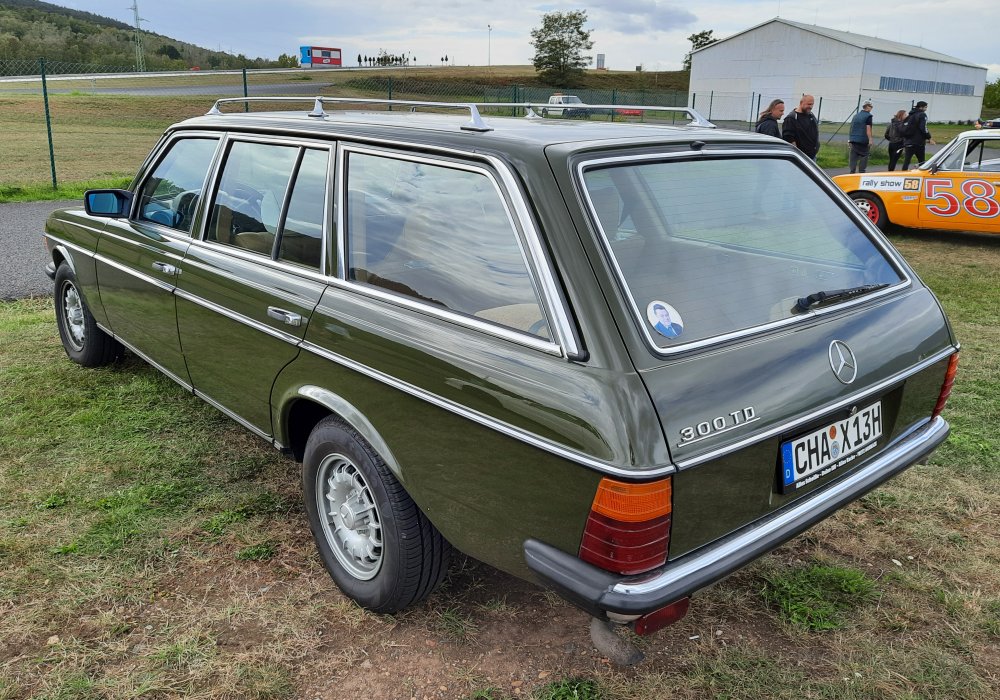
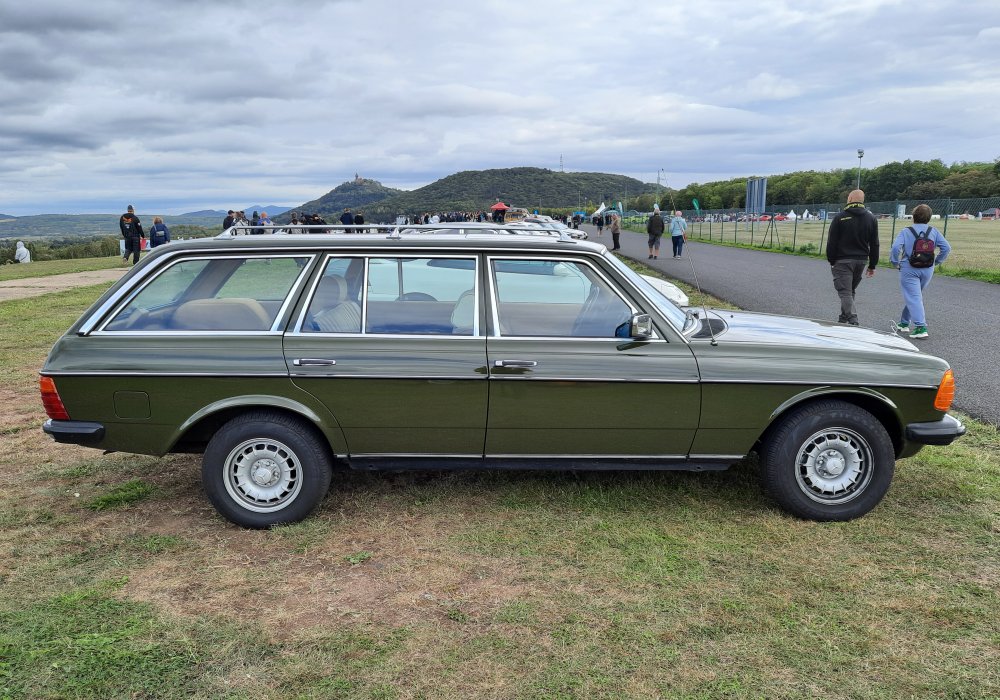
The Mercedes-Benz 300 TD was the flagship diesel estate of the W123 range and is widely regarded as one of the most durable and versatile cars Mercedes-Benz ever produced. Introduced in the late 1970s, the 300 TD combined the practicality of the T-Modell estate body with the strongest diesel engine available in the lineup, creating a vehicle that could carry heavy loads, cover enormous distances and still deliver a level of comfort and refinement unmatched by most contemporaries. It became a benchmark for executive estate cars and helped define the long-term reputation of Mercedes-Benz diesel engineering.
Power came from a 3.0-litre inline five-cylinder diesel engine. In naturally aspirated form, output was around 80 horsepower, while later and market-specific versions introduced turbocharging, increasing power significantly and transforming performance. Even in non-turbo form, the five-cylinder engine offered noticeably stronger torque and smoother operation than the four-cylinder diesels. This made the 300 TD far better suited to motorway cruising, towing and fully laden driving. Manual and automatic transmissions were available, with the automatic particularly popular in estate form due to its relaxed and effortless character.
A defining feature of the 300 TD was its estate-specific chassis configuration. Like all W123 T-Modell variants, it was fitted as standard with hydropneumatic self-levelling rear suspension. This system automatically maintained correct ride height regardless of load, ensuring consistent handling, braking and comfort whether the car was lightly used or fully loaded with passengers, luggage or a trailer. Combined with the robust W123 suspension layout of double wishbones at the front and a semi-trailing arm rear axle, the 300 TD delivered exceptional stability and composure for a large estate car.
Styling followed the restrained, functional design language that made the W123 instantly recognisable. The long roofline, near-vertical tailgate and large glass area maximised interior space and practicality, while the upright grille and subtle chrome detailing preserved a dignified and professional appearance. Despite its size and capability, the 300 TD avoided visual excess, reinforcing the understated nature of the model.
Inside, the cabin was spacious, solidly constructed and designed for heavy use. Seating was firm and supportive, ideal for long journeys, and interior materials were chosen for durability rather than luxury flair. The rear load area was wide, flat and easy to access, with excellent cargo capacity even before folding the rear seats. With the seats folded, the 300 TD could rival light commercial vehicles for practicality while retaining the comfort and refinement of an executive car.
In everyday use, the Mercedes-Benz 300 TD excelled as a long-distance workhorse. It could cruise for hours at motorway speeds, carry heavy loads with ease and operate reliably in harsh conditions. Fuel economy remained impressive for a vehicle of its size, and the engine’s tolerance for poor fuel quality made it especially popular in export markets. These qualities made the 300 TD a favourite among families, professionals, taxi operators and long-term owners who expected their cars to last decades.
The 300 TD played a crucial role in establishing the premium diesel estate as a serious alternative to petrol-powered luxury cars. It demonstrated that diesel engines could deliver not only economy and longevity, but also comfort, refinement and genuine usability in an executive vehicle. Its influence can be seen in later generations of Mercedes-Benz estates and diesel models across the industry.
Today, the Mercedes-Benz 300 TD is regarded as one of the definitive W123 variants and one of the finest diesel estates ever built. Well-preserved examples are highly valued for their mechanical robustness, load-carrying ability and historical significance. As a car engineered to work hard for decades without complaint, the 300 TD stands as a lasting symbol of an era when Mercedes-Benz prioritised durability, engineering margin and real-world usability above all else.