Description
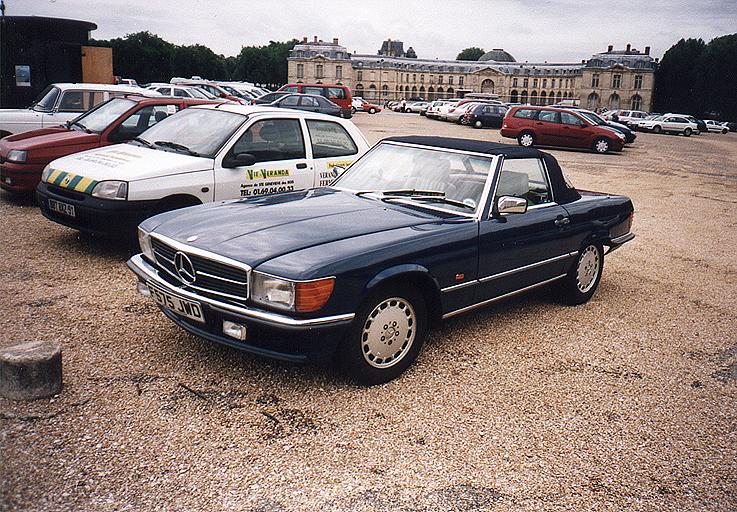
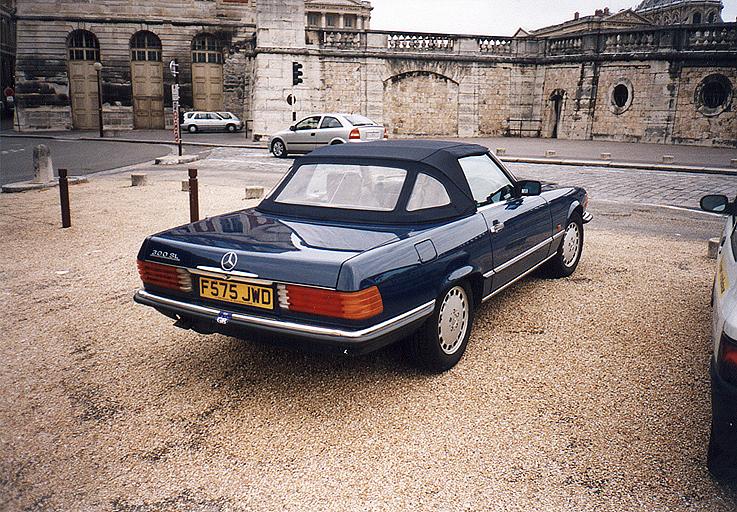
The Mercedes-Benz 300 SL introduced in 1985 was part of the long-running R107 series and represented a refined, six-cylinder alternative within a range otherwise dominated by V8-powered models. By the mid-1980s, the 300 SL had evolved into a thoroughly mature luxury roadster, combining durability, comfort and understated performance with the timeless solidity for which Mercedes-Benz had become known.
Power came from a 3.0-litre inline six-cylinder petrol engine, producing approximately 180 horsepower in European specification. This engine was smoother and more efficient than the larger V8 units, offering a more balanced character focused on refinement rather than outright power. Acceleration was confident and progressive, and the car was well suited to sustained motorway cruising. Buyers could choose between a four-speed automatic transmission or a five-speed manual gearbox, though the automatic was by far the more common choice and best matched to the car’s grand touring nature.
The R107 chassis was engineered with longevity and safety as core priorities. A rigid passenger cell combined with front and rear crumple zones provided strong occupant protection, while the overall structure was designed to withstand long-term use in varied climates. Suspension consisted of double wishbones at the front and a semi-trailing arm independent rear suspension, delivering predictable handling and a composed ride. Disc brakes were fitted on all four wheels, offering reliable and consistent stopping power.
Styling of the Mercedes-Benz 300 SL in 1985 was classic and muscular, with clean lines, restrained chrome detailing and a wide, confident stance. The design had changed little since the model’s introduction in the early 1970s, which by this point had become part of its appeal. A removable hardtop was standard equipment, allowing the car to function as a refined coupé when fitted, while the folding fabric soft top enabled open-air driving when desired.
Inside, the cabin reflected Mercedes-Benz’s emphasis on comfort, safety and durability. The dashboard featured impact-absorbing materials, controls were logically arranged, and visibility was excellent. Seats were broad and supportive, designed for long-distance comfort rather than sporting restraint. Interior materials prioritised longevity and quality, and by the mid-1980s many cars were equipped with features such as air conditioning, electric windows and central locking.
On the road, the Mercedes-Benz 300 SL delivered a calm and reassuring driving experience. The six-cylinder engine was smooth and quiet, the suspension absorbed poor road surfaces effectively, and the car felt stable and secure at speed. Steering was light and deliberate, encouraging relaxed driving rather than aggressive cornering. Compared with V8 versions, the 300 SL felt slightly lighter and more balanced, appealing to drivers who preferred refinement over excess power.
The 300 SL was particularly popular in European markets, where fuel efficiency, smoothness and lower running costs were valued alongside prestige. It appealed to buyers who wanted the elegance and build quality of the SL range without the added weight and consumption of a V8.
Today, the Mercedes-Benz 300 SL from 1985 is regarded as one of the most sensible and usable versions of the R107 series. Valued for its robust engineering, smooth six-cylinder engine and timeless design, it represents the SL at its most balanced and mature. As a classic, it offers a compelling blend of comfort, durability and understated elegance, perfectly capturing the character of Mercedes-Benz luxury motoring in the mid-1980s.