Description
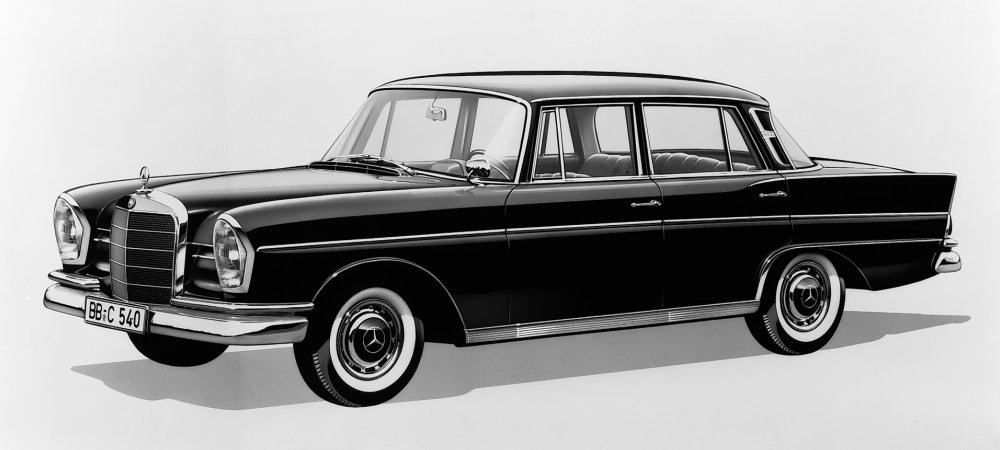
The Mercedes-Benz 300 SE Automatic was a top-tier executive saloon of the early to mid-1960s and represented the pinnacle of the W112 fintail range. Positioned above the 220 and 230 models, the 300 SE combined advanced engineering, high equipment levels and a refined automatic transmission, offering near-limousine standards of comfort in a relatively compact four-door body.
Power came from a 3.0-litre inline six-cylinder petrol engine equipped with mechanical fuel injection, producing approximately 160 horsepower. This engine delivered smooth, authoritative performance with strong mid-range torque and excellent high-speed cruising ability. Compared with carburetted six-cylinder models, the fuel-injected unit offered sharper throttle response and improved efficiency. Paired with the automatic transmission, typically a four-speed unit by the mid-1960s, the driving experience was notably relaxed and refined, emphasising smooth progress rather than outright sportiness.
The W112 chassis was technically advanced for its time. Unlike the W111 and W110 models, the 300 SE featured air suspension as standard, a major innovation that set it apart from most contemporaries. This system provided exceptional ride comfort and maintained consistent ride height regardless of load, giving the car a notably smooth and composed ride on poor road surfaces. The unitary body structure incorporated a strong passenger safety cell with defined front and rear crumple zones, reflecting Mercedes-Benz’s early leadership in passive safety.
Styling followed the fintail design language but with subtle distinctions that marked the 300 SE as the flagship. The tail fins were restrained yet purposeful, and chrome detailing was more generous than on lesser models, reinforcing the car’s prestige without excess ornamentation. The overall appearance was formal, balanced and authoritative, clearly aimed at senior professionals and official use.
Inside, the cabin was finished to a very high standard. Seating was wide, supportive and designed for long-distance comfort, often upholstered in leather on higher-specification cars. Interior materials included extensive wood trim, high-quality switchgear and thick carpeting, reflecting the model’s luxury positioning. The dashboard was clear and logically arranged, with comprehensive instrumentation and controls designed for ease of use. The automatic transmission further enhanced the calm, dignified atmosphere of the interior.
On the road, the Mercedes-Benz 300 SE Automatic delivered a composed and confident driving experience. The fuel-injected six-cylinder engine provided smooth, flexible power, while the air suspension absorbed road imperfections with remarkable ease. Steering was light for the era and stable at speed, and the car excelled at long-distance touring. It encouraged smooth, measured driving and rewarded drivers with exceptional comfort and refinement.
The 300 SE Automatic was aimed at senior executives, government officials and buyers seeking the highest level of comfort short of a full limousine. It was often specified with extensive optional equipment and was significantly more expensive than other fintail models, reinforcing its exclusive status.
Today, the Mercedes-Benz 300 SE Automatic is regarded as one of the most technically interesting and luxurious fintail saloons. Valued for its fuel-injected engine, pioneering air suspension and high build quality, it represents a period when Mercedes-Benz combined conservative design with genuine engineering innovation. As a flagship model of its era, the 300 SE Automatic stands as a respected and increasingly collectible classic.