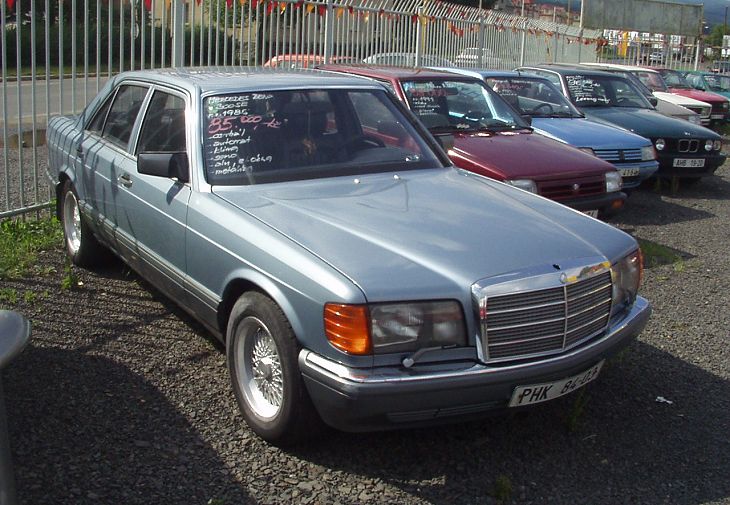
Description
The Mercedes-Benz 300 SE was a prestigious six-cylinder luxury saloon offered across two important generations of Mercedes-Benz flagship models and represented a blend of traditional refinement, advanced engineering and understated authority. Whether in its earlier W112 form of the 1960s or the later W126 version of the 1980s, the 300 SE consistently occupied a position just below the top V8 models while still delivering full S-Class comfort and sophistication.
In its earlier incarnation during the 1960s, the 300 SE was based on the W112 platform and was distinguished by advanced technology for its time. Power came from a 3.0-litre inline six-cylinder petrol engine with mechanical fuel injection, producing around 160 horsepower. This engine was smooth, flexible and well suited to high-speed touring. Performance was refined rather than sporting, but the car was capable of sustained motorway speeds with ease. A four-speed automatic transmission was commonly specified and complemented the car’s luxury character.
A defining technical feature of the early 300 SE was its air suspension system, which provided exceptional ride comfort and maintained constant ride height regardless of load. This gave the car a uniquely smooth and composed driving feel compared with steel-sprung rivals. The chassis featured a rigid passenger safety cell and carefully engineered crumple zones, reflecting Mercedes-Benz’s growing emphasis on occupant protection even at this early stage.
Styling of the early 300 SE was elegant and formal, with clean lines, restrained chrome detailing and balanced proportions. It conveyed prestige without excess and became closely associated with diplomatic, executive and ceremonial use. Inside, the cabin offered generous space, high-quality materials and a clear, functional dashboard layout that prioritised usability and long-term durability.
In its later form during the 1980s, the Mercedes-Benz 300 SE became part of the W126 S-Class range. In this generation, power was provided by a 3.0-litre inline six-cylinder engine with fuel injection, producing approximately 188 horsepower in European specification. This engine was notably refined and more powerful than earlier six-cylinder units, offering confident acceleration and relaxed high-speed cruising. A four-speed automatic transmission was standard in most markets and reinforced the car’s calm, dignified driving character.
The W126 300 SE benefited from major advances in safety and efficiency. The body structure was lighter yet stronger, with improved crumple zones, enhanced side-impact protection and better aerodynamics. Suspension used double wishbones at the front and a semi-trailing arm rear layout, delivering a balance of ride comfort, stability and predictable handling. Disc brakes on all four wheels provided strong and consistent stopping performance.
Styling of the later 300 SE was modern, restrained and aerodynamic, reflecting Mercedes-Benz’s shift toward efficiency and functional design. Clean surfaces, a strong horizontal emphasis and minimal ornamentation gave the car a timeless and authoritative appearance. Inside, the cabin focused on ergonomics, comfort and durability, with wide supportive seats, clear instrumentation and high equipment levels appropriate to a flagship saloon.
Across both generations, the Mercedes-Benz 300 SE appealed to buyers who wanted full-size luxury, advanced engineering and prestige without the fuel consumption or complexity of a V8. It was popular with professionals, executives and government users who valued refinement, reliability and long-term ownership.
Today, the Mercedes-Benz 300 SE is regarded as a dignified and highly respected classic, regardless of generation. Valued for its smooth six-cylinder engines, strong safety engineering and understated design, it represents Mercedes-Benz luxury at its most balanced. As a flagship saloon that prioritised comfort, quality and engineering integrity, the 300 SE remains a lasting symbol of the brand’s traditional approach to executive motoring.