Description
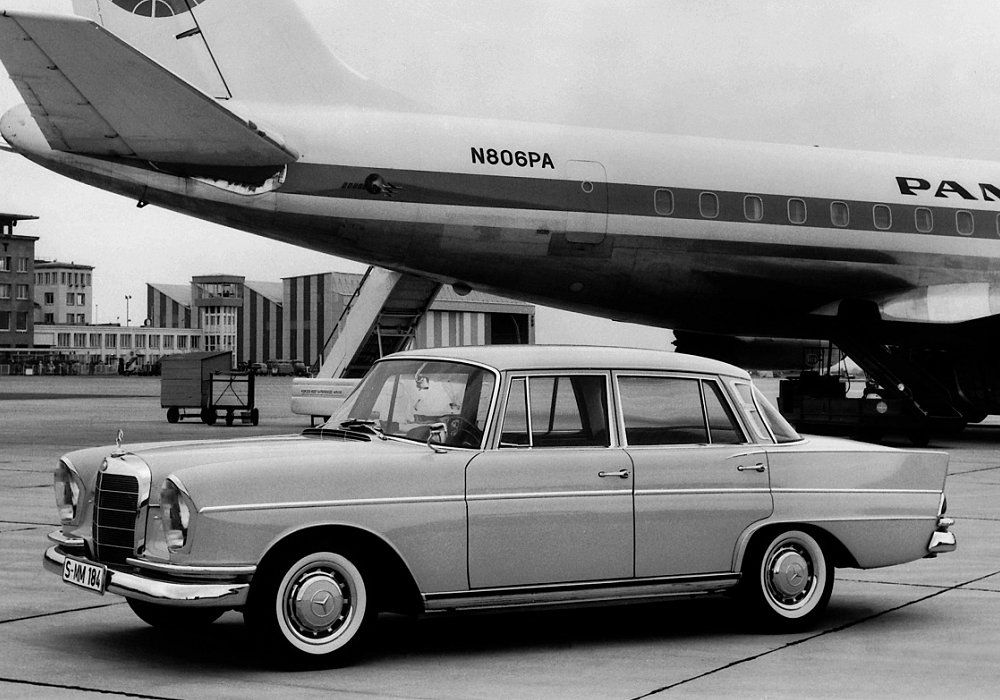
The Mercedes-Benz 300 SE was the flagship saloon of the W112 fintail series and represented one of the most advanced and luxurious cars Mercedes-Benz offered during the early to mid-1960s. Positioned above the 220 and 230 models, the 300 SE combined cutting-edge engineering, high levels of standard equipment and refined performance, placing it just below the large limousine models in the company’s hierarchy.
Power came from a 3.0-litre inline six-cylinder petrol engine equipped with mechanical fuel injection, producing approximately 160 horsepower. This engine delivered smooth, authoritative performance with strong mid-range torque and excellent cruising ability. Compared with carburetted engines of the period, fuel injection provided improved throttle response, better efficiency and greater consistency. The 300 SE was capable of sustained high-speed touring, making it well suited to autobahn use and long-distance travel. A four-speed manual gearbox was standard, with an automatic transmission widely specified by buyers seeking maximum comfort.
One of the defining technical features of the 300 SE was its air suspension system, fitted as standard. This advanced setup provided exceptional ride comfort and maintained consistent ride height regardless of load, setting the car apart from most contemporaries. Combined with the unitary body structure featuring a strong passenger safety cell and defined crumple zones, the 300 SE delivered a level of comfort, stability and safety that was exceptional for its time.
Styling followed the W112 fintail design language, with subtle rear fins that aided driver orientation and became a visual signature of Mercedes-Benz saloons of the era. Compared with lesser fintail models, the 300 SE featured additional chrome detailing and more refined exterior trim, reinforcing its flagship status without appearing ostentatious. The overall appearance was formal, balanced and authoritative.
Inside, the cabin reflected the car’s luxury positioning. Seating was wide and supportive, designed for long-distance comfort, and interior materials were of a very high standard. Wood trim, high-quality upholstery and solid switchgear created an atmosphere of understated luxury. The dashboard layout was clear and logical, with comprehensive instrumentation and an emphasis on ease of use rather than decoration.
On the road, the Mercedes-Benz 300 SE delivered a calm, confident and exceptionally refined driving experience. The fuel-injected six-cylinder engine provided smooth and flexible power, while the air suspension absorbed road imperfections with remarkable ease. Steering was relatively light and precise for the period, and the car excelled as a long-distance touring saloon rather than a sporting machine.
The 300 SE was aimed at senior executives, government officials and buyers seeking advanced engineering and comfort in a prestigious yet conservative package. It was significantly more expensive than other fintail models and was often specified with extensive optional equipment, reinforcing its exclusive position in the lineup.
Today, the Mercedes-Benz 300 SE is regarded as one of the most technically significant and luxurious saloons of the fintail era. Valued for its fuel-injected engine, pioneering air suspension and high build quality, it stands as a clear example of Mercedes-Benz’s ability to combine conservative design with genuine innovation. As a flagship model of its time, the 300 SE remains a respected and increasingly collectible classic.