Description
The Mercedes-Benz 280 SEL was the long-wheelbase version of the W116 S-Class six-cylinder saloon and represented a refined, comfort-focused alternative to the more powerful V8 models of the 1970s. It combined the full safety, prestige and engineering depth of the S-Class with a smoother, more economical drivetrain, making it particularly attractive to buyers who prioritised rear-seat space, refinement and long-distance comfort over outright performance.
Power came from a 2.8-litre inline six-ylinder petrol engine with fuel injection, producing around 156 horsepower. This engine was known for its smoothness, quiet operation and reliability rather than aggressive performance. Acceleration was measured but confident, and the car was well suited to sustained motorway cruising. A four-speed automatic transmission was standard in most markets and complemented the engine’s relaxed torque delivery, reinforcing the car’s dignified and unhurried character.
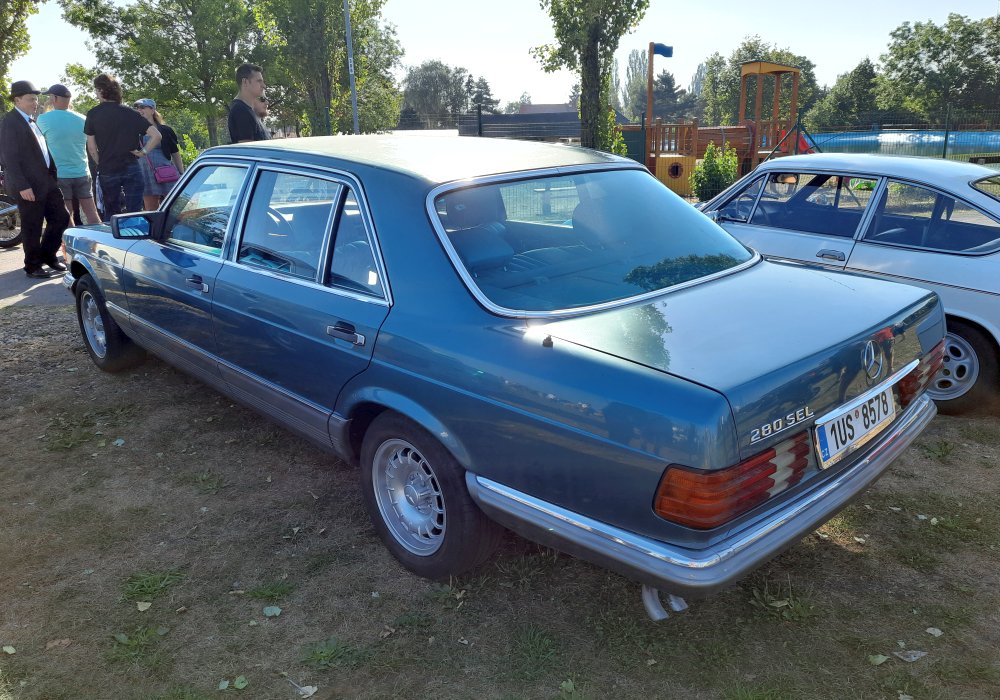
The defining feature of the 280 SEL was its extended wheelbase, which provided significantly increased rear legroom compared with the standard 280 SE. This made the car especially suitable for chauffeur-driven use, senior executives and long journeys with rear passengers. The longer wheelbase also contributed to improved straight-line stability and a smoother ride at higher speeds.
The W116 platform marked a major step forward in Mercedes-Benz safety and chassis design. It featured a rigid passenger safety cell with carefully engineered crumple zones, improved side-impact protection and a strong roof structure. Suspension consisted of double wishbones with coil springs at the front and a semi-trailing arm rear suspension, offering predictable handling and excellent ride comfort. Disc brakes were fitted at all four wheels, providing strong and consistent stopping power appropriate to the car’s size and weight.
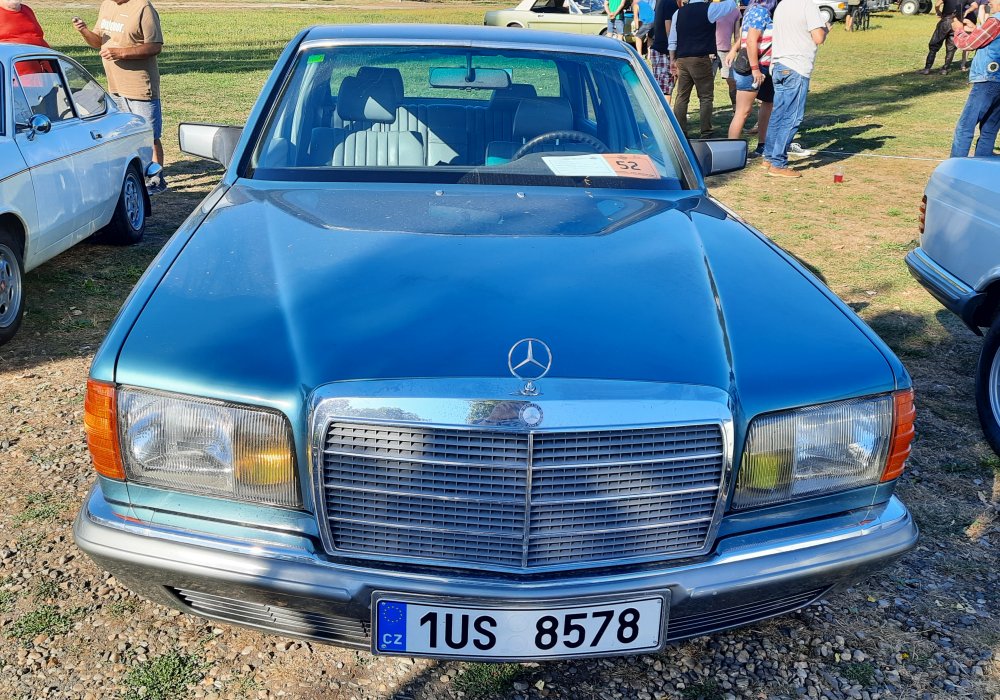
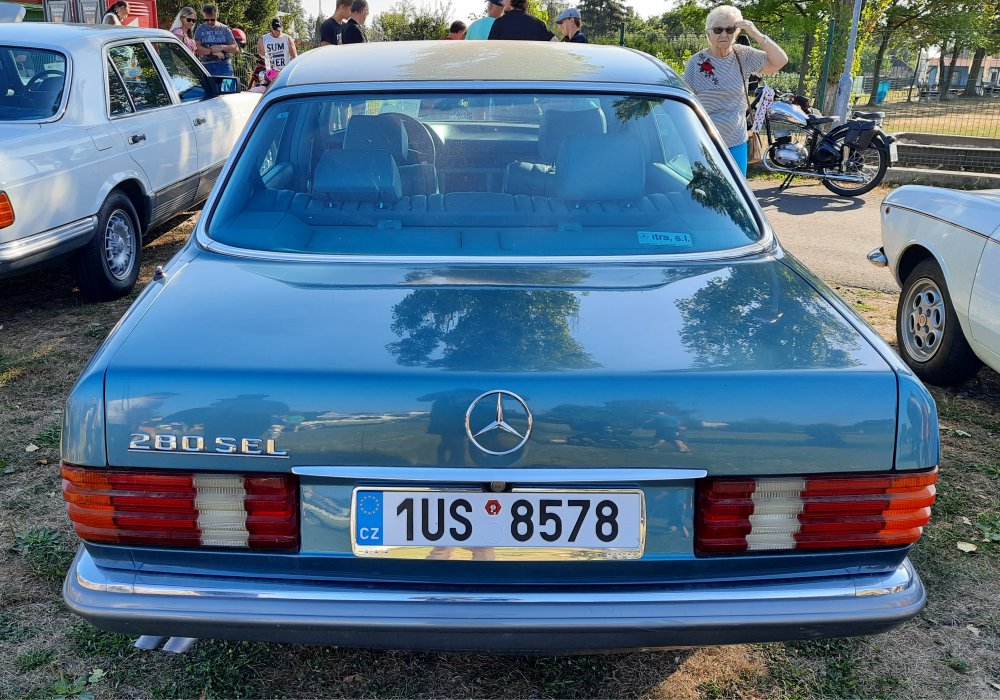
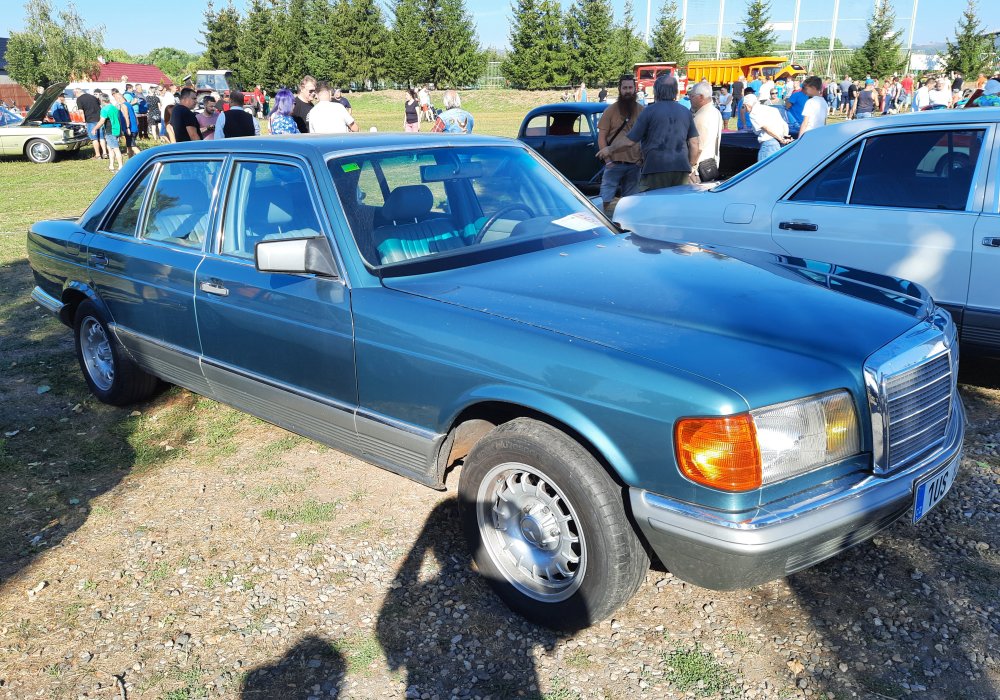
Styling of the Mercedes-Benz 280 SEL was formal, purposeful and understated. The extended body was subtly distinguished by longer rear doors and balanced proportions, while restrained chrome detailing maintained a dignified appearance. The design prioritised authority and safety over elegance alone, giving the car a solid and confident road presence.
Inside, the cabin focused on comfort, clarity and durability. The extended wheelbase transformed the rear seating area, offering generous legroom and a relaxed seating position ideal for long-distance travel. Seats were wide and supportive, designed to reduce fatigue, and interior materials were chosen for longevity as much as appearance. The dashboard layout was logical and driver-focused, with clear instrumentation and well-positioned controls. Equipment levels were high for the period and often included automatic climate control, power steering and electric windows.
On the road, the Mercedes-Benz 280 SEL delivered a calm, composed and reassuring driving experience. The six-cylinder engine was smooth and quiet at cruising speeds, while the suspension absorbed road imperfections with ease. Steering was light yet stable, encouraging relaxed, confident driving rather than any sporting intent. The car excelled as a long-distance cruiser, where comfort, safety and refinement were its strongest attributes.
The 280 SEL appealed to executives, government users and private buyers who wanted the space and prestige of a long-wheelbase S-Class without the fuel consumption and complexity of a V8. It offered near-limousine comfort in a more restrained and economical package, particularly well suited to markets with higher fuel costs or taxation on larger engines.
Today, the Mercedes-Benz 280 SEL is regarded as a dignified and well-balanced classic S-Class. Valued for its smooth six-cylinder engine, enhanced rear-seat accommodation and robust safety engineering, it represents the more understated side of 1970s luxury motoring and remains a respected example of Mercedes-Benz’s engineering-led approach to comfort and longevity.