Description
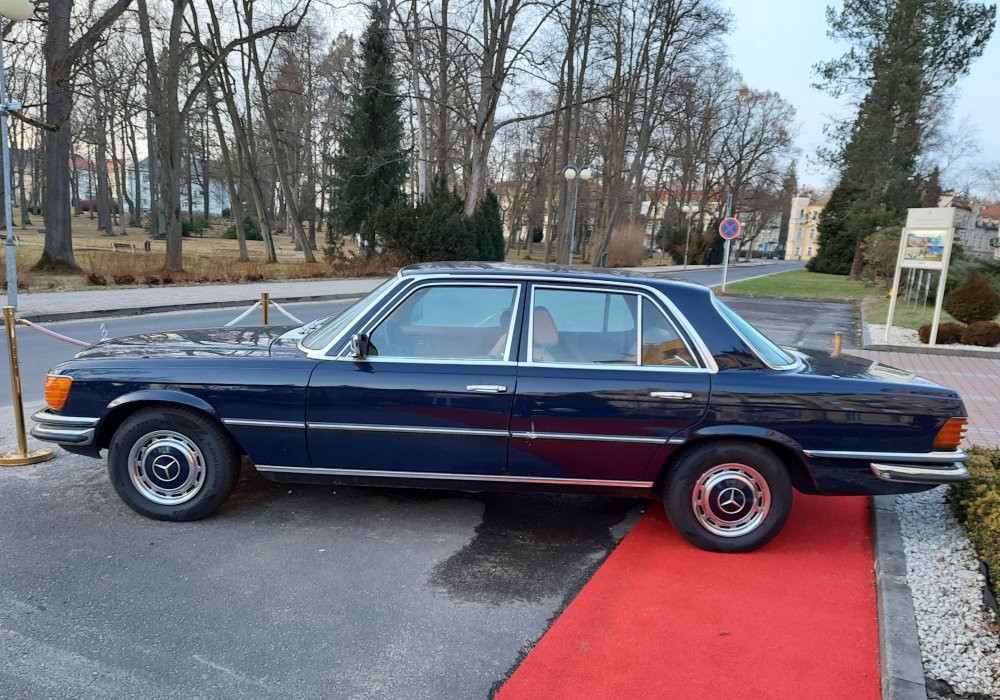
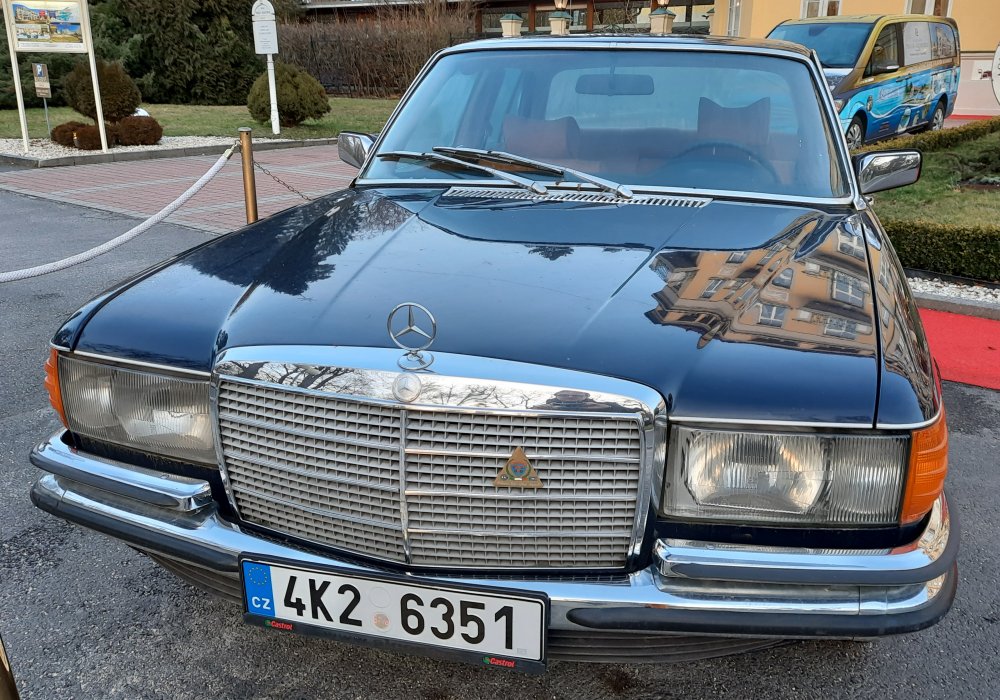
The Mercedes-Benz 280 S introduced in 1972 was part of the W108 luxury saloon range and represented one of the final developments of Mercedes-Benz’s traditional large six-cylinder cars before the introduction of the W116 S-Class. As the carburetted counterpart to the fuel-injected 280 SE, the 280 S offered refinement, space and durability with a slightly simpler mechanical layout, appealing to buyers who valued reliability and ease of maintenance over maximum performance.
Power came from a 2.8-litre inline six-cylinder petrol engine fitted with twin carburettors, producing around 140 horsepower. While less powerful than the injected SE version, the engine was smooth, flexible and well suited to relaxed driving. Acceleration was steady rather than brisk, but cruising ability was strong, particularly at motorway speeds where the engine’s refinement became most apparent. A four-speed manual gearbox was standard, with an automatic transmission available and commonly specified for buyers seeking a more effortless driving experience.
The W108 chassis reflected Mercedes-Benz’s emphasis on comfort and stability. It used unitary body construction with a strong passenger safety cell and carefully engineered crumple zones, continuing the brand’s leadership in passive safety. Suspension consisted of double wishbones with coil springs at the front and a swing-axle rear suspension with coil springs. This setup prioritised ride comfort and straight-line stability, making the car especially well suited to long-distance touring. Disc brakes at all four wheels provided dependable stopping power appropriate to the car’s size and weight.
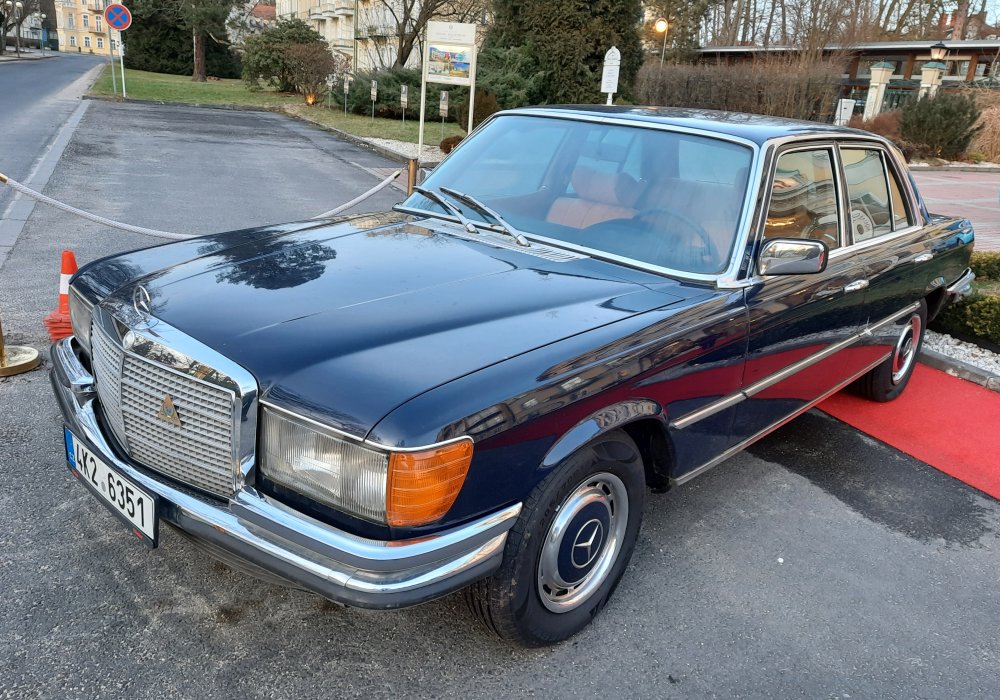
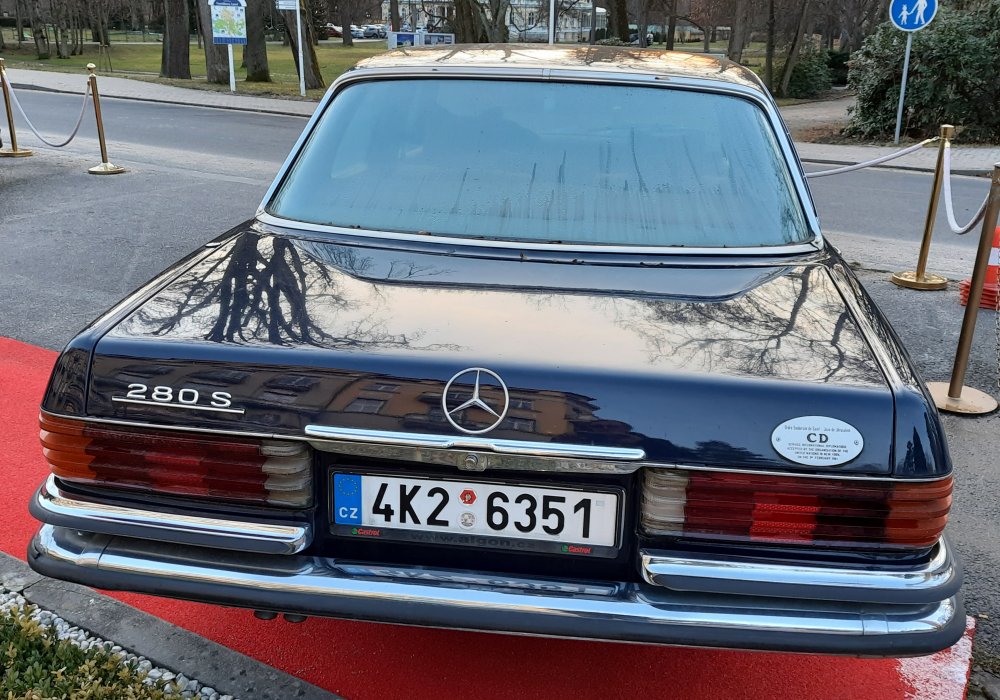
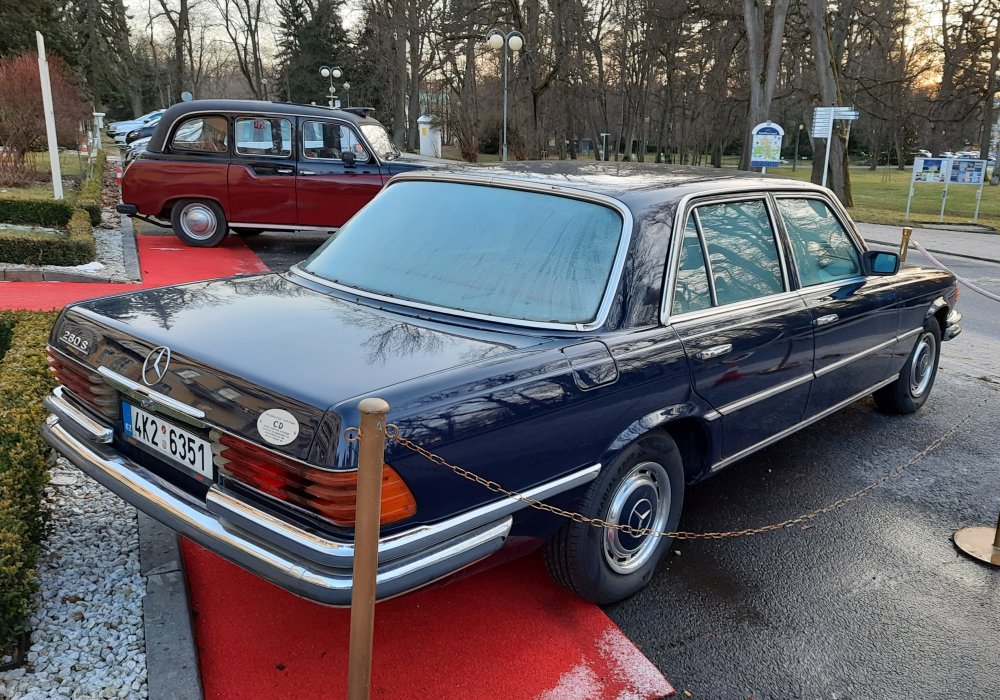
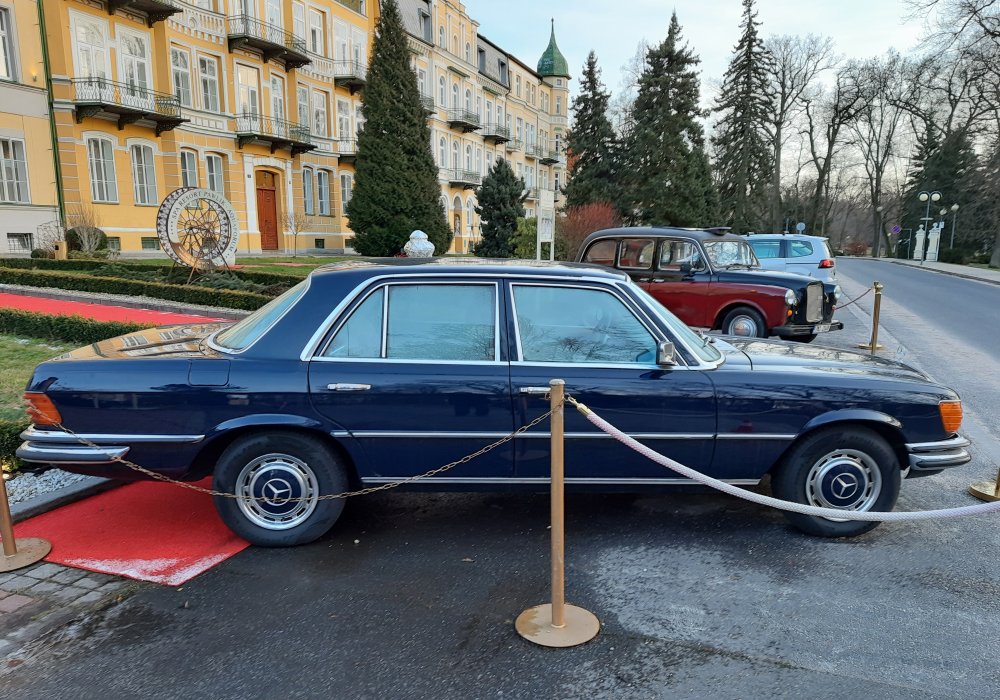
Styling of the 1972 Mercedes-Benz 280 S was clean, formal and deliberately understated. Straight body lines, large glass areas and restrained chrome detailing gave the car a timeless and authoritative appearance. Compared with earlier fintail models, the W108 design was more modern and elegant, projecting quality without ornamentation and helping define Mercedes-Benz styling into the 1970s.
Inside, the cabin was spacious, functional and built to last. Seats were wide and supportive, designed for long journeys, and interior materials were chosen for durability as much as comfort. The dashboard layout was clear and uncluttered, with easily readable instruments and solid switchgear. Rear-seat accommodation was generous, making the 280 S suitable for both private owners and professional or executive use.
On the road, the Mercedes-Benz 280 S delivered a calm and composed driving experience. The carburetted six-cylinder engine encouraged smooth, unhurried progress, while the suspension absorbed poor road surfaces with ease. Steering was light for a large saloon and stable at speed, reinforcing the car’s touring-focused character rather than any sporting intent.
The 280 S in 1972 appealed to conservative buyers, professionals and long-distance drivers who wanted the prestige and comfort of a large Mercedes-Benz without the added complexity of fuel injection. It was often chosen for long-term ownership, valued for its mechanical simplicity and robust construction.
Today, the Mercedes-Benz 280 S 1972 is regarded as a dignified and dependable classic from the final years of the W108 range. Appreciated for its smooth six-cylinder engine, elegant design and traditional engineering approach, it represents the closing chapter of Mercedes-Benz’s pre-S-Class luxury saloons and remains a respected example of the brand’s commitment to refinement and longevity.