Description
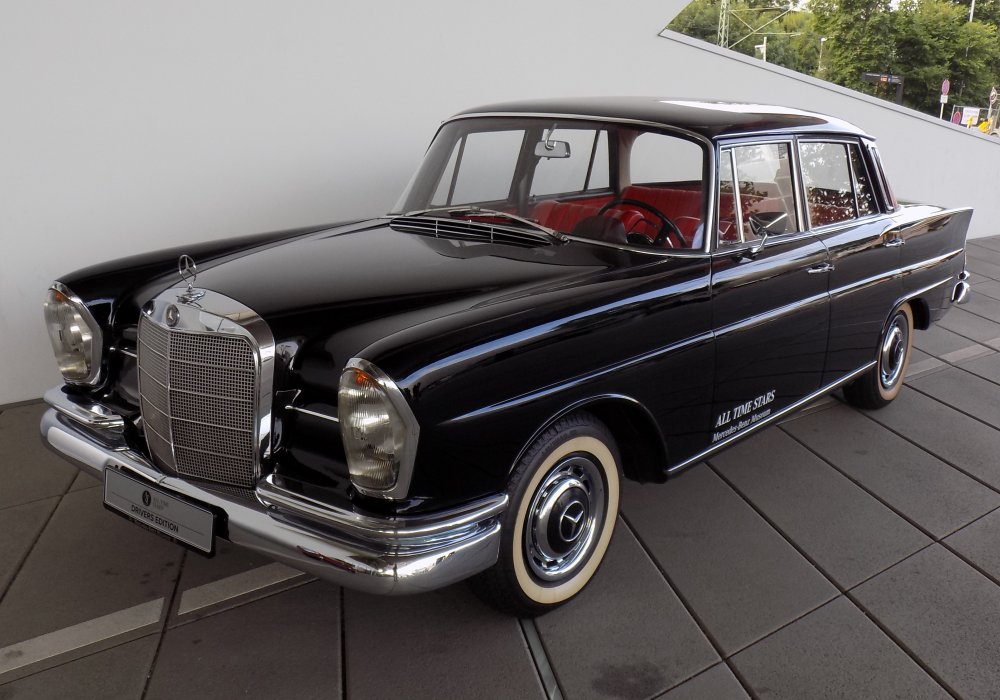
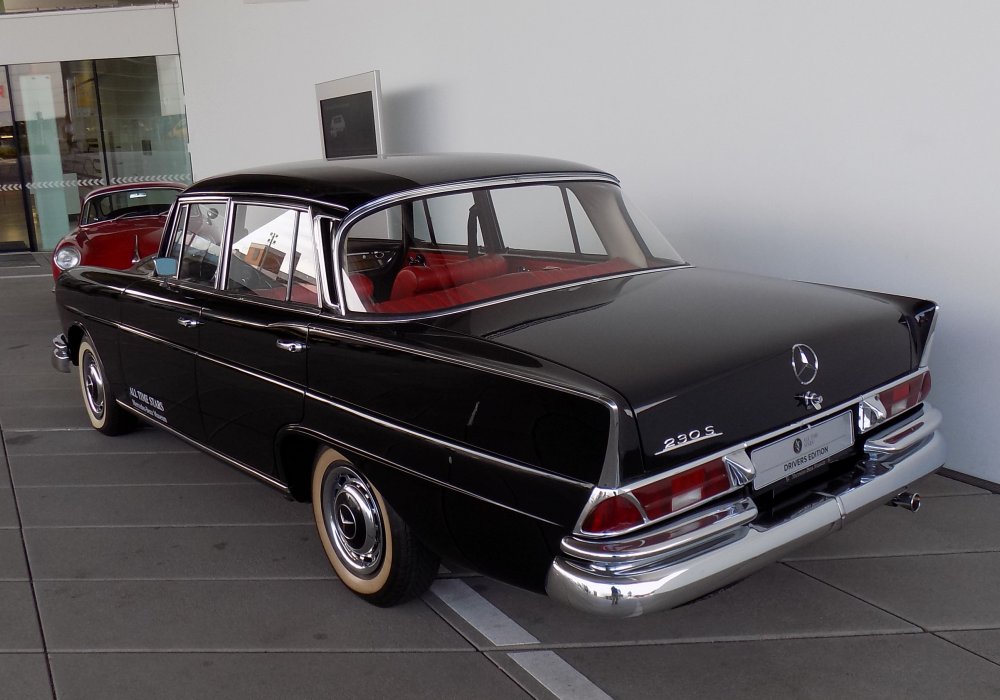
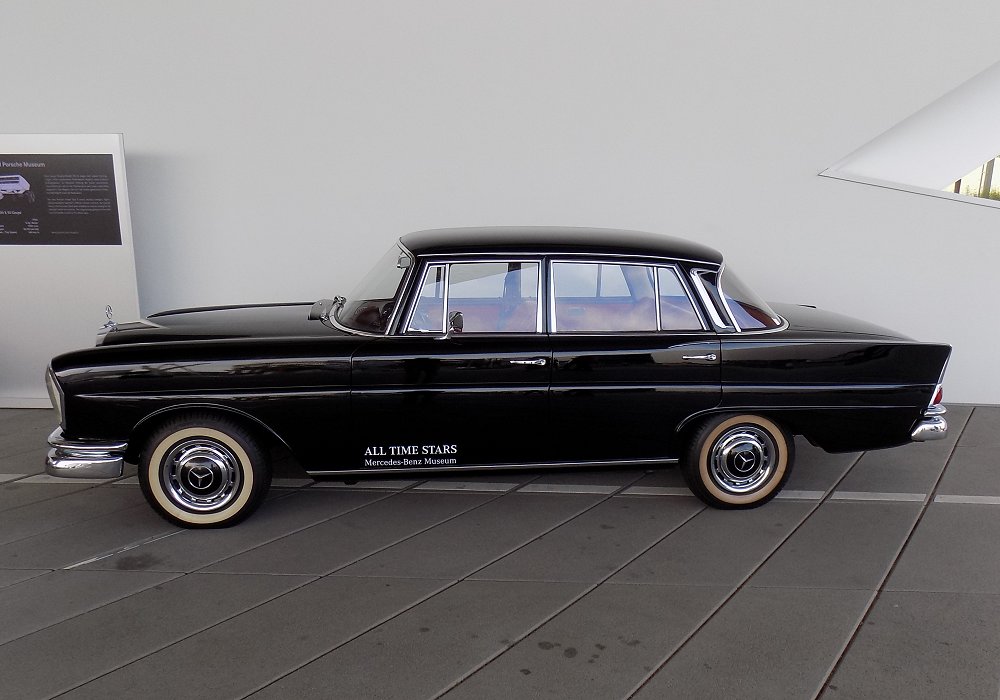
The Mercedes-Benz 230 S was a six-cylinder executive saloon from the early 1960s and formed part of the W111 “Heckflosse” or fintail series. Positioned above the four-cylinder models, the 230 S combined traditional Mercedes-Benz engineering values with improved performance and comfort, serving as a refined bridge between the earlier Ponton cars and the more advanced models that followed.
Power came from a 2.3-litre inline six-cylinder petrol engine with twin carburettors, producing approximately 120 horsepower. This engine gave the 230 S a clear performance advantage over the smaller-engined variants, delivering smooth acceleration and relaxed high-speed cruising. The six-cylinder layout was valued for its refinement and quiet operation, making the car well suited to long-distance driving. A four-speed manual gearbox was standard, with an automatic transmission available for buyers prioritising comfort and ease of use.
The W111 chassis featured unitary body construction with a strong passenger cell and designated front and rear crumple zones, reflecting Mercedes-Benz’s early leadership in passive safety. Suspension consisted of double wishbones with coil springs at the front and a swing-axle rear suspension with coil springs. This arrangement prioritised ride comfort and stability on uneven roads, though it required measured driving at higher speeds due to the handling characteristics of the swing axle. Disc brakes at the front and drum brakes at the rear provided reliable stopping power for the period.
Styling of the Mercedes-Benz 230 S followed the distinctive fintail design language. The subtle rear fins were originally intended to aid driver orientation rather than styling flair, and they became a defining feature of Mercedes-Benz saloons of the era. The overall body shape was upright and formal, projecting authority and professionalism, while chrome detailing was used sparingly to emphasise quality rather than luxury excess.
Inside, the cabin reflected Mercedes-Benz’s emphasis on durability, clarity and comfort. Seating was upright and supportive, designed for long journeys, and interior materials were chosen for longevity rather than ornamentation. The dashboard was clean and logically laid out, with clear instrumentation and good visibility. Compared with earlier models, interior space and comfort were improved, particularly for rear passengers.
On the road, the 230 S delivered a calm and composed driving experience. The six-cylinder engine provided smooth, flexible power, and the suspension absorbed poor road surfaces effectively. Steering was relatively heavy at low speeds but stable and reassuring once underway. The car excelled at steady, confident touring rather than spirited driving, reinforcing its role as a dignified executive saloon.
The Mercedes-Benz 230 S appealed to professionals, business owners and official users who wanted a prestigious yet understated car with dependable performance. It offered a balance of refinement, safety and mechanical integrity that helped cement Mercedes-Benz’s reputation during the 1960s.
Today, the Mercedes-Benz 230 S is appreciated as an important model in the evolution of the brand’s six-cylinder saloons. Valued for its smooth engine, distinctive fintail styling and solid construction, it represents a key step in Mercedes-Benz’s transition toward the modern executive cars that would follow later in the decade.