Description
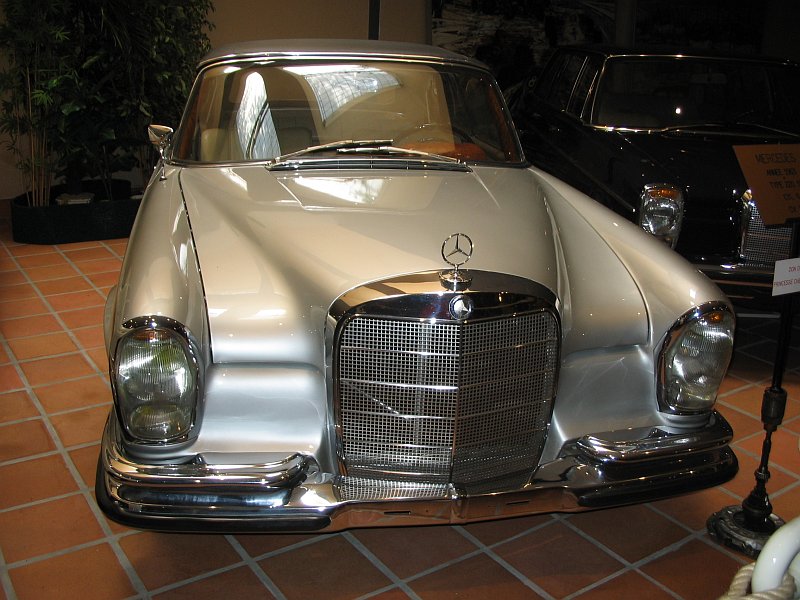
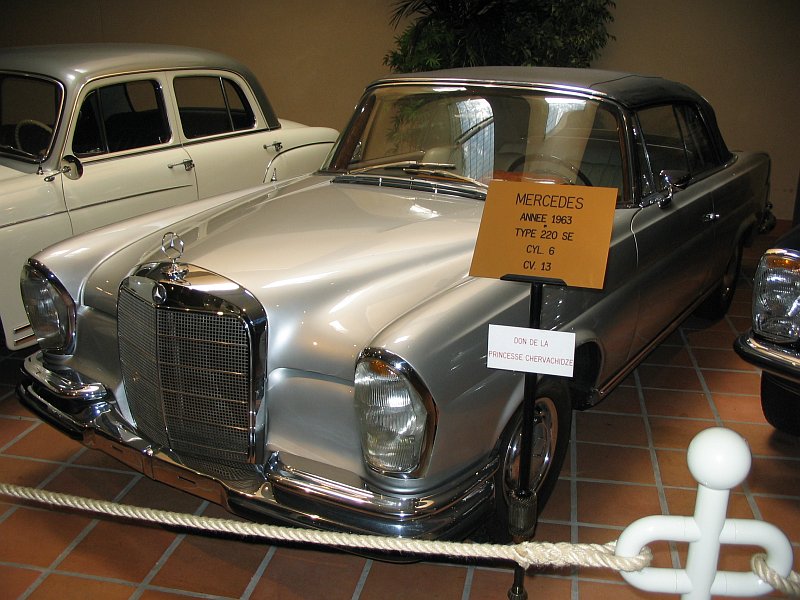
The Mercedes-Benz 220 SE Cabriolet 13 CV was a refined open four-seat luxury car from the early 1960s and formed part of the W111 series. As a cabriolet version of the fuel-injected six-cylinder fintail range, it combined elegant styling, advanced engineering and genuine long-distance comfort, positioning it as a prestigious touring car rather than a sporting convertible. The 13 CV designation reflected its French fiscal horsepower rating, which was relevant in certain European markets rather than a direct indication of output.
Power came from a 2.2-litre inline six-cylinder petrol engine fitted with mechanical fuel injection, producing approximately 120 horsepower. This engine provided smooth, flexible performance and noticeably better throttle response than carburetted alternatives. Acceleration was steady and dignified, while cruising ability was excellent, making the car well suited to sustained motorway travel. A four-speed manual gearbox was standard, with an automatic transmission available for buyers who prioritised comfort and ease of use.
The W111 platform featured unitary body construction with a strong passenger safety cell and defined front and rear crumple zones, reflecting Mercedes-Benz’s pioneering work in passive safety. Converting the saloon into a cabriolet required extensive reinforcement to maintain rigidity in the absence of a fixed roof. As a result, the 220 SE Cabriolet felt solid and well engineered compared with many contemporaries. Suspension consisted of double wishbones with coil springs at the front and a swing-axle rear suspension with coil springs, tuned to prioritise ride comfort over sharp handling. Disc brakes at the front and drum brakes at the rear provided dependable stopping power for the period.
Styling of the 220 SE Cabriolet was elegant and restrained. With the roof raised, the car retained the formal proportions of the fintail series, while with the roof lowered it presented a clean, dignified profile free of excessive ornamentation. The subtle rear fins, a defining feature of the W111 range, added character without compromising elegance. Chrome detailing was tastefully applied, reinforcing the car’s premium status.
Inside, the cabin reflected Mercedes-Benz’s emphasis on quality and durability. Seating was wide, upright and comfortable, designed for long-distance touring, and all four seats were genuinely usable. Interior materials were of a high standard, often including leather upholstery and polished wood trim. The dashboard layout was clear and functional, with well-positioned instruments and controls that emphasised clarity over decoration.
On the road, the Mercedes-Benz 220 SE Cabriolet 13 CV delivered a calm and composed driving experience. The fuel-injected six-cylinder engine was smooth and quiet at cruising speeds, and the suspension absorbed poor road surfaces effectively. Steering was relatively light for the era and stable at speed, reinforcing the car’s role as a refined touring convertible rather than a performance-oriented machine. With the roof down, the car offered relaxed open-air motoring with minimal wind disturbance for its time.
The 220 SE Cabriolet appealed to affluent private buyers who wanted elegance, advanced engineering and open-top motoring without sacrificing comfort or practicality. It was significantly more expensive than the saloon versions and produced in relatively small numbers, adding to its exclusivity.
Today, the Mercedes-Benz 220 SE Cabriolet 13 CV is regarded as one of the most elegant open cars of the fintail era. Valued for its fuel-injected six-cylinder engine, solid construction and timeless design, it stands as a fine example of Mercedes-Benz’s ability to combine conservative luxury with genuine technical sophistication during the early 1960s.