
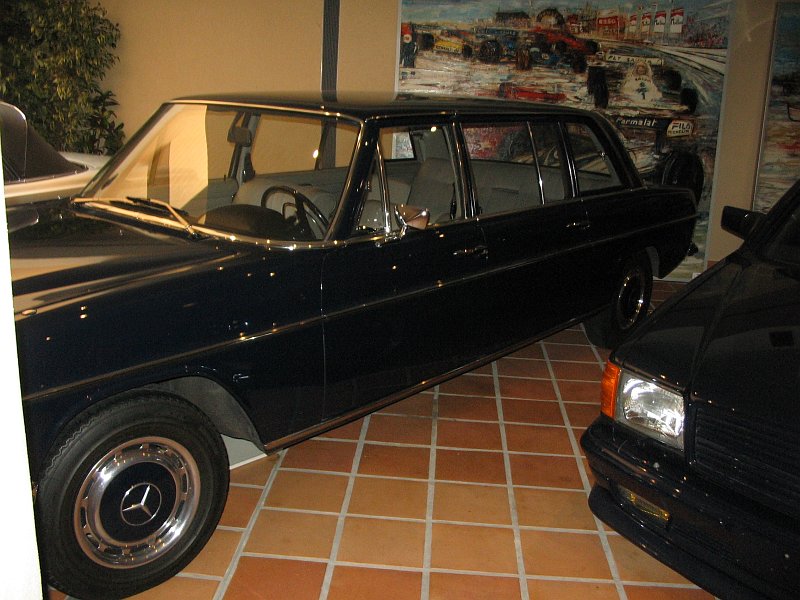
Description
The Mercedes-Benz 200 D Lang 9 CV was a long-wheelbase diesel saloon derived from the W110 “Fintail” series, developed to meet the needs of professional and official users who required maximum rear-seat space combined with the economy and durability of diesel power. The “Lang” designation referred to the extended wheelbase, while “9 CV” denoted the French fiscal horsepower classification, a taxation rating rather than a measure of actual engine output. This combination made the model particularly attractive in markets where vehicle taxation was closely tied to fiscal horsepower.
Power came from the 2.0-litre inline four-cylinder diesel engine used in the standard 200 D. Producing approximately 55 horsepower, the engine was designed for longevity, fuel efficiency and steady torque delivery rather than speed. Performance was modest, especially given the increased weight of the long-wheelbase body, but the engine was capable of sustained operation over long distances with minimal mechanical wear. A four-speed manual gearbox drove the rear wheels, with gearing chosen to support relaxed cruising and dependable everyday use.
The extended wheelbase chassis was based on the W110 unitary body construction but lengthened to provide additional rear legroom. This made the 200 D Lang particularly suitable for chauffeur-driven duties, taxis, government service and professional use. Suspension followed the standard W110 layout, with double wishbones and coil springs at the front and Mercedes-Benz’s improved low-pivot swing axle with coil springs at the rear. This rear suspension design was a significant safety improvement over earlier swing-axle systems, offering greater stability and more predictable handling, especially important for a longer and heavier vehicle. Front disc brakes and rear drum brakes provided reliable stopping power consistent with the car’s modest performance.
Externally, the Mercedes-Benz 200 D Lang retained the restrained fintail styling of the standard W110 saloon. The small tailfins aided rear visibility and gave the car its distinctive profile, while the longer rear doors and stretched proportions subtly indicated the extended wheelbase. Styling remained conservative and dignified, with an upright grille and restrained chrome detailing, reinforcing the car’s professional and formal character.
Inside, the primary benefit of the Lang version was rear-seat comfort. The extended wheelbase allowed significantly increased legroom, making the rear compartment suitable for long journeys and frequent passenger use. Interior trim was durable rather than luxurious, typically finished in hard-wearing cloth designed to withstand intensive service. The dashboard layout was simple and logical, with clear instrumentation and excellent visibility. Noise and vibration levels were higher than in petrol versions, particularly at idle, but this was widely accepted in exchange for exceptional fuel economy and mechanical reliability.
In everyday operation, the 200 D Lang 9 CV excelled as a working vehicle. It was slow but dependable, rewarding smooth driving and mechanical sympathy. Its low running costs, fuel efficiency and ability to accumulate very high mileages made it especially popular as a taxi and official transport in continental Europe, particularly in France where the 9 CV rating helped keep taxation manageable.
Production numbers of the long-wheelbase diesel variants were relatively low compared with standard saloons, as they were built for specific professional roles rather than general private ownership. Many were used intensively throughout their lives, contributing to the rarity of surviving examples today.
Today, the Mercedes-Benz 200 D Lang 9 CV is regarded as a highly specialised and historically significant model. It represents Mercedes-Benz’s pragmatic approach to combining comfort, efficiency and durability in an era when cars were expected to serve for decades. As a long-wheelbase diesel saloon designed for serious, real-world use, it stands as a clear example of the brand’s engineering priorities during the 1960s and its enduring reputation for building cars that outlasted their contemporaries.